Buying a Home
Which Home Inspections Do You Need When Buying in Atlanta?
Which home inspections do Atlanta buyers need? Start with a general inspection, then consider a sewer scope, termite report, radon test, and specialists.

Quick answer
Every Atlanta buyer should start with a general home inspection. Beyond that, the inspections worth adding depend on the home: a sewer scope for older homes, a wood-destroying insect (termite) report, a radon test, and specialist evaluations of the roof, HVAC, foundation, or electrical when the general inspector flags a concern. In Georgia, all of this happens during your due diligence period, so schedule inspections as soon as your offer is accepted.
Starting your home search? Search homes for sale across Metro Atlanta →
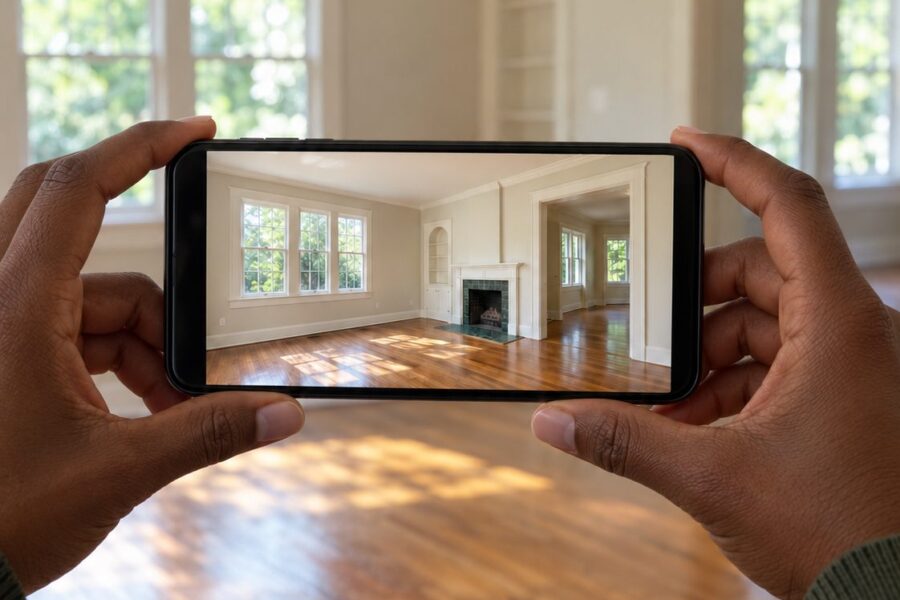
Start with a general home inspection
A general inspection is a visual review of the home’s major systems: roof, structure, plumbing, electrical, heating and cooling, attic, crawlspace or basement, windows, and doors. You get a written report, usually with photos, that shows what is working, what needs attention, and what deserves a closer look from a specialist.
Plan to attend the end of the inspection if you can. Walking through the findings in person makes the report much easier to understand.
Inspections worth adding in Atlanta
- Sewer scope. A camera goes into the main sewer line to look for cracks, root intrusion, or collapsed sections. This is especially worth considering for older intown homes, where original lines can be decades old and repairs can be expensive.
- Wood-destroying insect report. Termites are common in Georgia. This report, often called a termite letter, checks for active infestation and past damage. Some loans require one.
- Radon test. Radon is an invisible gas that can build up in homes, especially in basements. Testing is simple, and it is the only way to know the level.
- Roof evaluation. If the roof is older or the general inspector sees concerns, a roofer can estimate remaining life and repair costs.
- HVAC service check. A technician can tell you the age and condition of the system and whether replacement is on the horizon.
- Structural engineer. Cracks, sloping floors, or a damp crawlspace may call for a structural evaluation, especially with Georgia’s clay soil.
- Electrical or plumbing specialist. Older homes can have outdated wiring or pipe materials that deserve a closer look.
You do not need every inspection on every house. The general inspection and the age and type of the home usually tell you which extras matter.
Timing matters in Georgia
Georgia contracts give buyers a due diligence period, a set number of days to inspect the home and decide whether to move forward. Specialists can book up, so schedule your general inspection right away and add follow-ups quickly if something comes up. If you need more time, any extension has to be agreed to in writing.
Once you have the reports, you can move forward as is, ask the seller for repairs or a credit, or walk away within your due diligence period. I explain how that conversation works in how to negotiate repairs after a home inspection, and how the full timeline fits together in what happens after an offer is accepted in Georgia.
Reading the report without panicking
Every inspection report has a long list, even on a well-kept home. What matters is separating the items into three groups: safety issues, big-ticket systems near the end of their life, and routine maintenance. The first two are where negotiation and budgeting usually focus. The third is part of owning any home.
If you are budgeting for the whole purchase, I break down the full picture in the real cost of buying a home in Atlanta.

Home inspection FAQs
Start with a general home inspection. Depending on the home, consider a sewer scope, a termite report, a radon test, and specialist evaluations of the roof, HVAC, structure, electrical, or plumbing.
It is often worth considering for older homes, especially intown, where original sewer lines may be decades old. Sewer line repairs can be costly, so knowing the condition up front helps.
During your due diligence period, which starts once the contract is binding. Schedule them right away so you have time for follow-ups.
Generally yes, if you are still within your due diligence period. After it ends, your options depend on the contract.
It is a good idea. New homes can still have installation issues, and an independent inspection before closing gives you a list to bring to the builder.
Next steps
The right inspections give you the information to buy with confidence, or to walk away while you still can. If you are buying in Metro Atlanta and do not have an agent yet, you can browse homes for sale or book a time with me to talk through your plan.
This post is general information. Inspection needs vary by home. Talk with a licensed inspector about your specific property.
Keep reading
- Related readingShould I Buy a House With a Septic Tank in Georgia?
- Related readingHow Do VA Loans Work When Buying a Home in Georgia?
- Related readingIs Winter a Good Time to Buy a House in Atlanta?
Written by
Kristen D. Johnson, REALTOR
Metro Atlanta, intown and out. Grew up in East Point, lives in Edgewood, and has worked both sides of the perimeter long enough to know where the map lies to you.
Work with Kristen Johnson Real EstateThinking about a move in Metro Atlanta?
Tell me what you are weighing up and I will tell you what I would do, in plain terms, before you commit to anything.