Market Insights
How Can I Lower My Property Taxes in Georgia?
Lower your Georgia property tax bill with the homestead exemption, an appeal within 45 days of your notice, and a value cap that goes statewide in 2027.

Quick answer
Most Georgia homeowners have three ways to lower a property tax bill: claim every exemption you qualify for, starting with the homestead exemption (own and live in the home on January 1 and apply by April 1), appeal your assessed value within 45 days of the date on your annual assessment notice, and make sure the homestead value cap applies to you. Under SB 33, signed May 11, 2026, that cap, which limits how much your home’s taxable value can rise each year to inflation, applies statewide starting with the 2027 tax year, including in places that had opted out.
Wondering what your home is worth now? Get a pricing analysis you can compare to your assessment →
How your Georgia tax bill is built
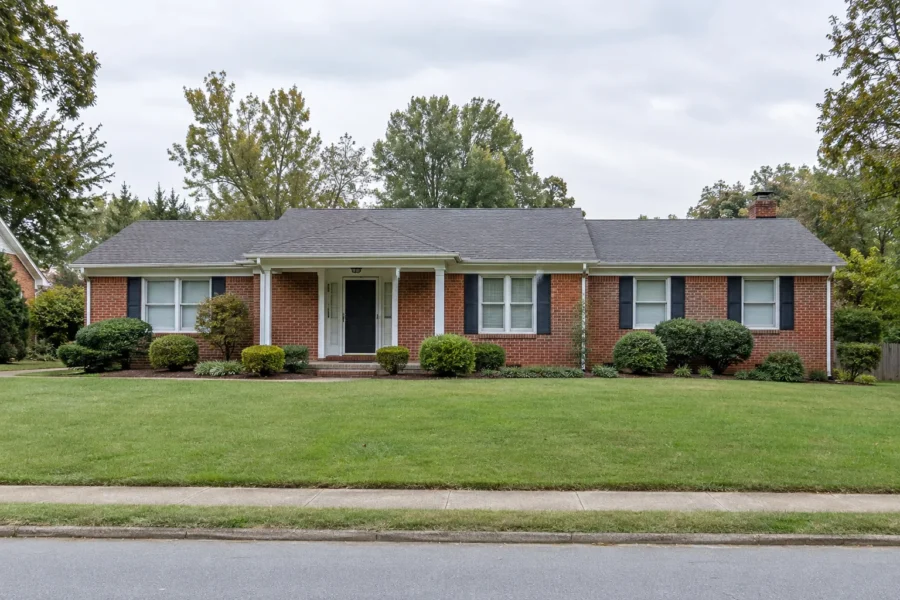
Your bill comes from three numbers. The county tax assessor estimates your home’s fair market value. Georgia taxes property at 40% of that value, which is your assessed value. Exemptions come off the assessed value, and what’s left is multiplied by the millage rates set by your county, your city if you’re in one, and your school system.
That means you can lower the bill in only a few ways: lower the value the county uses, increase the exemptions you get, or slow how fast the taxable value grows. You can’t change the millage rate yourself, but you can show up when it’s set.
1. Claim your homestead exemption, and any others you qualify for
The homestead exemption is the first thing I check with every client after closing, because it is the most common money left on the table. To qualify, you need to own the home and live in it as your primary residence on January 1, and file with your county by April 1 to get it for that year’s taxes. If you close after the deadline, you file the following year.
Georgia’s basic statewide homestead exemption is $2,000 off your assessed value, and most Metro Atlanta counties and many cities offer larger local exemptions on top of it. In most counties, once you’re approved it stays in place as long as you own and live in the home. My step by step guide to filing a homestead exemption after you buy covers the details by county.
Other exemptions to ask your county about:
- Senior exemptions, which in many counties start at age 62 or 65 and can be significant, especially on school taxes. Some have income limits.
- Disabled veteran and surviving spouse exemptions, available statewide with additional local versions.
- Disability exemptions for homeowners who meet the criteria in your county.
These are not automatic. Each one needs an application, and the rules differ from county to county, so I would check your county tax assessor’s site for the current list.
2. Appeal your assessment if the value is too high
Every spring, Georgia counties mail an annual notice of assessment showing the value they’ve placed on your home. You have 45 days from the date on that notice to file an appeal. Miss the window and you generally wait until next year.
An appeal is worth considering when the county’s value is clearly higher than what your home would sell for, or when it rose much faster than comparable homes nearby. The strongest evidence is recent sales of similar homes in your neighborhood, plus anything the county may not know about, like a foundation problem or a roof at the end of its life.
Here is what I tell homeowners who ask me about appealing: compare the county’s value with what your home would realistically sell for, not with what you wish it were worth. If the gap is small, the appeal may not be worth the time. If it’s large, the comparable sales do most of the work. I wrote a separate guide to appealing an assessment in Fulton County with the steps in order.
Your neighborhood’s recent sales, the condition of your home, and the timing all affect what a fair value is, and that’s where a local pricing analysis can help you decide whether to appeal at all.
3. Make sure the homestead value cap applies to you
This is the part most online answers haven’t caught up with. In 2024, Georgia passed HB 581, which created a statewide floating homestead exemption. It limits how much your home’s taxable value can rise each year to the rate of inflation, measured from its 2024 value, plus any substantial improvements you make. It began in 2025, but local governments were allowed to opt out, and many Metro Atlanta counties, cities, and school systems did. Some of them already had local caps of their own.
In 2026, the legislature passed SB 33, which Governor Kemp signed on May 11, 2026. It removes the opt out, so the inflation cap applies statewide starting with the 2027 tax year. It also lets counties ask voters to approve a 1% local sales tax whose proceeds would fund an additional homestead exemption.
Two things to take from this. First, the cap only protects homes with a homestead exemption on file, which is one more reason to file. Second, the cap limits growth in taxable value, not your bill. If millage rates go up, your bill can still rise.
4. Pay attention when millage rates are set
You can’t set the rate, but you can weigh in. Local governments set millage rates each year, usually in the summer. When a government plans to collect more from existing property than a rollback rate would, Georgia law generally requires it to advertise a tax increase and hold public hearings. Those hearings are where homeowners have the most influence.
If you’re buying, keep in mind that your first bill may be higher than the seller’s. A sale can bring a new assessed value, and the seller’s exemptions don’t transfer to you. I build that into the payment estimates I run for buyers so there’s no surprise in the first year.
Property taxes when you buy or sell
Property taxes in Georgia are paid for the calendar year, often in a bill that comes due in the fall, so a sale in the middle of the year means splitting that year’s bill. The closing attorney prorates the taxes on the settlement statement, usually using the most recent bill or an estimate, so the seller covers the days they owned the home and the buyer covers the rest.
If the actual bill comes in higher than the estimate, the difference can show up later, either as a bill to the new owner or as a shortage in the buyer’s escrow account. That’s common after a sale, because the new assessed value often reflects the purchase price. If your lender escrows your taxes, I would expect your monthly payment to be adjusted once the first full year’s bill arrives.
Sellers sometimes ask whether they should file an appeal in the year they list. If the county’s value is well above what your home is likely to sell for, an appeal can still reduce the share of the bill you pay through closing, and a lower value on record doesn’t hurt a buyer. It’s worth a quick look at the numbers before you decide.
Georgia property tax FAQs
You generally need to file by April 1 to receive the exemption for that tax year, and you must own and live in the home as your primary residence on January 1. If you buy after April 1, file the following year. Some counties let you apply online.
In most Georgia counties, no. Once approved, the exemption continues as long as you own and live in the home. If you move, refinance into a different name, or change how the title is held, check with your county.
You have 45 days from the date on your annual notice of assessment. The notice explains how to file, and many counties accept appeals online. Recent comparable sales are usually the strongest evidence.
They can. Georgia and many Metro Atlanta counties offer senior exemptions, some starting at 62 and others at 65, and several reduce or eliminate school taxes. Most require an application and some have income limits.
No. The 2026 law expands homestead relief by making the inflation cap statewide in 2027 and allowing a voter approved local sales tax to fund an extra homestead exemption, but homeowners still pay property tax.
Next steps
Filing for every exemption, appealing when the value is off, and making sure the homestead cap protects you are the moves that make the biggest difference. If you’re comparing your assessment with what your home would actually sell for, ask for a home valuation and I’ll send you the recent sales I’d use.
This post is general information, not legal or tax advice. For questions about your specific bill, contact your county tax assessor or a Georgia tax professional.
Keep reading
- Related readingAtlanta Property Tax Assessment 2026: How to Appeal in Fulton County Before July 31
- Related readingAtlanta Neighborhoods Most Affected by Data Center and Infrastructure Projects (What Buyers Should Know)
- Related readingZillow Named Atlanta the #2 Most Buyer-Friendly Market of 2026. Is It Actually True?
Written by
Kristen D. Johnson, REALTOR
Metro Atlanta, intown and out. Grew up in East Point, lives in Edgewood, and has worked both sides of the perimeter long enough to know where the map lies to you.
Work with Kristen Johnson Real EstateThinking about a move in Metro Atlanta?
Tell me what you are weighing up and I will tell you what I would do, in plain terms, before you commit to anything.