Selling a Home
Should I Sell My Atlanta Home or Rent It Out?
Should you sell your Atlanta home or rent it out? How to run the real rental math, the capital gains rule owners miss, and when each path makes sense.
Quick answer
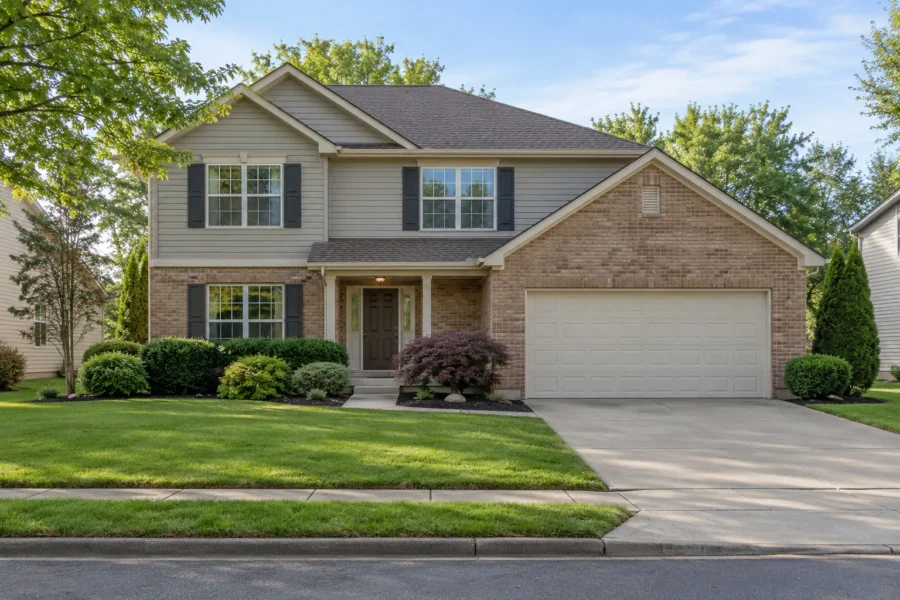
It depends on three things: whether the rent would cover your full cost of owning, how much you want to be a landlord, and what the decision does to your taxes. Keeping the home can make sense if you have a low mortgage rate, the numbers work with room to spare, and you are ready to manage it. Selling tends to make more sense if you need the equity for your next home, the rent barely covers the mortgage, or you would lose a tax break by waiting too long.
Want to see both sides with real numbers? Get a current value range for your home →

Why so many Atlanta owners are asking this right now
A lot of Atlanta homeowners bought or refinanced when rates were far lower than they are today. With the national average 30-year rate around 7.4% in early October 2026, giving up a low-rate mortgage can feel like walking away from something you will not get back. Renting the home out instead can look like a way to keep it.
That can be a smart move. It can also turn into an expensive part-time job. The difference usually comes down to the math and to how honest you are about the work involved.
Run the real rental math
When owners tell me “the rent would cover the mortgage,” the mortgage is usually only part of the cost. Before you decide, add up everything:
- Principal, interest, taxes, and insurance. Your insurance will likely change to a landlord policy, which is priced differently from a homeowner’s policy.
- Property taxes. If you move out, you will no longer qualify for a homestead exemption on that home, so your tax bill can go up.
- Repairs and maintenance. Things break whether or not you live there, and tenants call when they do.
- Vacancy. A month or two between tenants can wipe out a year’s worth of thin profit.
- Management. If you hire a property manager, that is an ongoing cost. If you do not, it is your time.
- HOA rules. Some condo and townhome communities limit or restrict rentals, so check before you plan around it.
If the rent covers all of that with room to spare, renting can build long-term wealth. If it only covers the mortgage, you are likely subsidizing the property out of pocket. I walk through how to run these numbers in how to evaluate an Atlanta rental’s true cash flow.
The tax piece most people miss
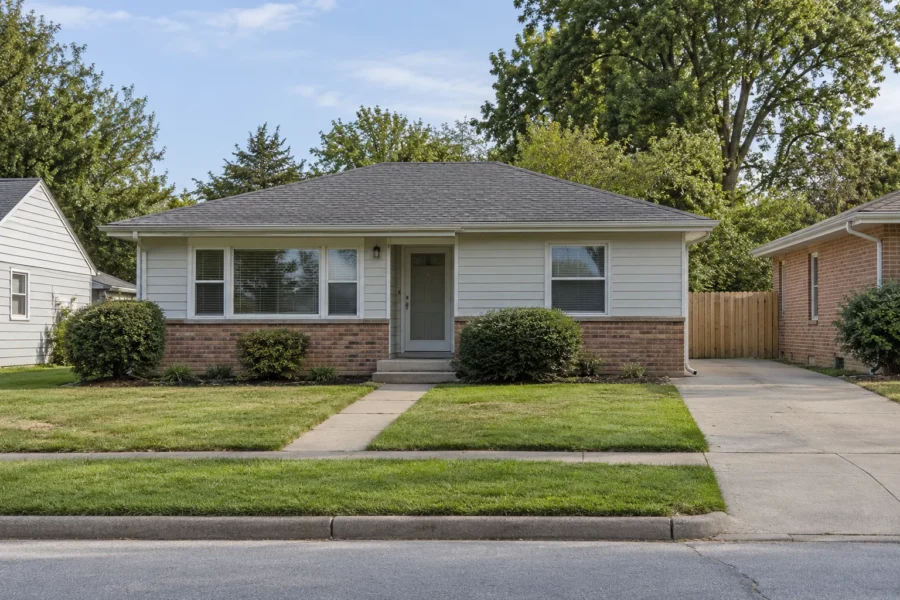
If you have owned and lived in your home as your main residence for at least two of the last five years, federal tax law generally lets you exclude up to $250,000 of profit from capital gains tax when you sell, or up to $500,000 for married couples filing jointly.
Here is the catch: if you rent the home out for more than about three years, you can fall outside that two-of-five-years window and lose the exclusion. For some owners, that one detail is the whole decision. I cover the basics in capital gains tax on a home sale in Georgia, and it is worth talking to a tax professional about your specific situation before you choose.
If you are leaning toward keeping it as an investment long term, it can also be worth learning how a 1031 exchange works for rental property down the road.
When selling tends to make more sense
- You need the equity. If the down payment for your next home is sitting in this one, selling may be what makes the next move possible. If timing is the issue, I explain the options in how to buy a home while selling in Atlanta.
- The numbers are thin. If rent barely covers the mortgage, a single repair or vacancy can put you in the red.
- You do not want to be a landlord. That is a completely valid reason. Managing tenants from across town, or across the country, is a real commitment.
- The capital gains clock matters. Selling within the window can protect a significant tax break.
When keeping it tends to make more sense
- Your rate is low and the rent clearly covers everything.
- You have reserves for repairs, vacancies, and surprises.
- You are planning to hold long term and are comfortable with the responsibility, or with paying someone to handle it.
- You may move back and want to keep the home available.
If short-term rental is what you have in mind, Atlanta has its own rules for that, which I cover in Atlanta’s short-term rental rules.
Sell or rent FAQs
It depends on whether the rent covers your full cost of owning, not just the mortgage, whether you want to be a landlord, and how the decision affects your taxes. Running both scenarios side by side is the clearest way to decide.
You can. The federal exclusion generally requires that you owned and lived in the home for two of the last five years before selling. Renting it out for more than about three years can put you outside that window, so check with a tax professional.
They can. A homestead exemption only applies to your primary residence, so once the home becomes a rental, you are no longer eligible for it on that property.
Many owner-occupied loans require you to live in the home for a period of time after closing. Check your loan terms or ask your lender before you plan to rent it.
It depends on your price, payoff, and costs. I break down a typical seller’s costs in what it costs to sell a house in Georgia.
Next steps
The best way to make this decision is to put both paths side by side with your real numbers. If you have not chosen an agent yet, I can put together a current value range and estimated net so you can compare it against what renting would look like, or you can book a time to talk it through.
This post is general information, not tax or legal advice. For your specific situation, talk with a tax professional or attorney.
Keep reading
- Related readingMy Home Appraised Low. What Are My Options as a Seller?
- Related readingShould I Accept a Contingent Offer on My Atlanta Home?
- Related readingDo I Have to Pay the Buyer’s Agent When I Sell in Georgia?
Written by
Kristen D. Johnson, REALTOR
Metro Atlanta, intown and out. Grew up in East Point, lives in Edgewood, and has worked both sides of the perimeter long enough to know where the map lies to you.
Work with Kristen Johnson Real EstateThinking about a move in Metro Atlanta?
Tell me what you are weighing up and I will tell you what I would do, in plain terms, before you commit to anything.