Selling a Home
How Much Can a Seller Pay Toward Closing Costs in Georgia?
What a Georgia seller can pay toward a buyer's closing costs depends on the loan type and down payment. Here are the limits and when a credit beats a price cut.

Quick answer
In Georgia, the limit on what a seller can pay toward a buyer’s closing costs is set by the buyer’s loan program, not state law. Conventional loans allow 3% of the price with less than 10% down, 6% with 10% to just under 25% down, and 9% with 25% or more down (2% on investment properties); FHA and USDA allow 6%, and VA allows 4% plus normal closing costs. The credit also can’t exceed the buyer’s actual closing costs and prepaid items, so any amount above that is lost, not paid out in cash.
Planning to sell? See what your home would likely sell for, and net, today →
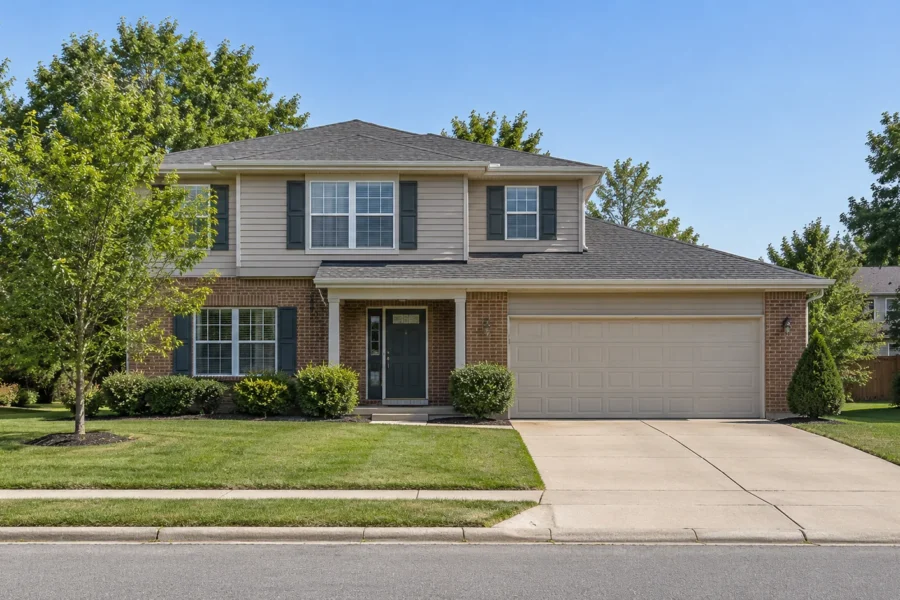
Why sellers are being asked for credits more often
The Metro Atlanta market has shifted toward buyers this fall. Georgia MLS reported 3,436 pending sales in its 12 county Atlanta area in September 2026, down 24.8% from a year earlier, while active listings rose 5.3% to 23,006. With the 30 year mortgage rate averaging 7.32% for the week of October 22, 2026, according to Freddie Mac, many buyers have the income for the payment but not the cash for closing.
That’s why the request I see most often in offers right now isn’t a big price cut. It’s a seller contribution toward closing costs, sometimes paired with a smaller price reduction.
The limits by loan type
These are the caps most lenders follow, as a share of the purchase price. Your buyer’s lender confirms the exact limit for their loan, because jumbo loans and some special programs set their own.
- Conventional, primary home or second home: 3% with less than 10% down, 6% with 10% to just under 25% down, 9% with 25% or more down.
- Conventional, investment property: 2%.
- FHA: 6%.
- USDA: 6%.
- VA: 4% in concessions, and the seller can also pay the buyer’s normal closing costs on top of that.
Two rules matter as much as the caps. The credit can only cover real costs, such as lender fees, title charges, prepaid taxes and insurance, and in many cases a rate buydown. And if the agreed credit is larger than the buyer’s actual costs, the extra usually goes back to reducing the credit rather than to the buyer as cash.
Credit or price cut: which is better for a seller?
Here is what I tell sellers who ask this: a dollar of credit and a dollar off the price cost you about the same at closing, but they do very different things for the buyer.
- A credit helps the buyer’s cash. A $10,000 credit can mean $10,000 less the buyer has to bring to closing. For a buyer who is stretching to cover the down payment, that can be the difference between closing and walking away.
- A price cut helps the buyer’s payment, a little. Taking $10,000 off a $400,000 price lowers the loan by up to $10,000, which at a 7.32% rate trims the principal and interest payment by about $69 a month at most.
- A credit can buy down the rate. Used for a buydown, the same money can lower the buyer’s payment more than an equal price cut would. My guide to seller paid rate buydowns explains the options.
There is one more reason sellers sometimes prefer a credit: the contract price stays where it is, which keeps the recorded sale price closer to your list price. That can matter to neighbors’ comps and, if the house is still on the market a month from now, to the next buyer’s perception.
What a credit really costs you compared with a price cut
Sellers often assume a credit and a price cut are identical on the net sheet. They’re close, but not quite. Some of your selling costs are figured on the sale price, and a credit doesn’t change the price.
Take a $400,000 sale and an $8,000 concession. If you give it as a price cut, the price becomes $392,000, so Georgia’s transfer tax of $1 per $1,000 drops by $8, and any commission figured as a share of the price drops a little too. If you give it as a credit instead, the price stays at $400,000 and those costs stay where they were. The difference is usually small, a few hundred dollars on a typical Atlanta sale, but it’s worth seeing on paper.
The bigger factor is what the buyer can do with the money. If the buyer is short on cash, a credit can save the deal where a price cut wouldn’t. If the buyer has plenty of cash and is focused on value, a price cut may land better. That’s why I ask the buyer’s agent early what matters most to their client before I advise a seller on how to answer a request.

How a seller contribution works in a Georgia contract
In a Georgia purchase contract, the seller’s contribution is written as a specific dollar amount toward the buyer’s closing costs, prepaid items, and other costs the lender allows. The closing attorney applies it on the settlement statement, where you’ll see it come off your side and onto the buyer’s.
A few practical points from transactions I’ve worked on:
- Ask for the buyer’s estimated costs before you agree. If the buyer’s Loan Estimate shows $9,000 in closing costs and prepaids, a $15,000 contribution won’t be fully used.
- Check the appraisal risk. If the price was raised to fit a credit, the appraisal still has to support the full contract price. If it comes in low, you’re back at the table. My post on what to do when your home appraises low covers that conversation.
- Use credits for inspection repairs, too. During due diligence, a credit at closing is often simpler than scheduling contractors, as long as it stays inside the loan program’s cap along with any contribution already in the contract.
- Run it through your net sheet. A credit comes out of your proceeds just like commission and the transfer tax. See what Atlanta sellers actually net for the full list of seller costs.
Should you offer a credit before you get an offer?
Some sellers advertise a credit in the listing to stand out. It can work, especially on homes that have been on the market a while or that compete with new construction, where builders often offer closing cost incentives.
I would think about it as part of pricing, not instead of it. If a home is priced above what buyers see in recent sales, a credit rarely fixes that, and the right move may be the one I describe in lower the price or pull the listing. If the price is right and you want to widen the pool of buyers who can afford to close, an advertised credit can help.
Whether a credit, a price cut, or neither makes sense depends on your home, your timeline, and what nearby sellers are offering, and that’s where a local pricing conversation is worth having before you list.
Seller concession FAQs
It depends on the buyer’s loan. Conventional loans cap seller contributions at 3% to 9% of the price depending on the down payment (2% on investment properties), FHA and USDA at 6%, and VA at 4% plus normal closing costs. Cash buyers have no program cap.
Not in a way the buyer can keep. Lenders don’t allow a seller credit to be paid out to the buyer as cash, so any amount above the buyer’s actual closing costs and prepaids is usually reduced or lost.
It has become more common this fall as pending sales have slowed and inventory has risen. Many offers now ask for a contribution toward closing costs, sometimes in place of a larger price reduction.
The appraiser has to support the full contract price, and lenders look at concessions above normal market levels. If a price was raised to cover a credit and the appraisal comes in lower, the deal may need to be renegotiated.
Each side pays its own costs unless the contract says otherwise. Sellers typically pay their loan payoff, the commission in their listing agreement, and the transfer tax, while buyers pay their lender fees, title insurance, and prepaid items.
Next steps
A seller contribution is capped by the buyer’s loan, can only cover real costs, and often does more for a buyer than an equal price cut. If you’re deciding how to price and what to offer before you list, tell me about your home and I’ll put together a net sheet that shows both options side by side.
This post is general information, not legal or lending advice. Loan program limits can change, so confirm the current cap with the buyer’s lender.
Keep reading
- Related readingShould I Take My Atlanta Home Off the Market for the Holidays?
- Related readingDoes the Seller Have to Be at Closing in Georgia?
- Related readingHow to Prepare Your Home for Sale in Alpharetta
Written by
Kristen D. Johnson, REALTOR
Metro Atlanta, intown and out. Grew up in East Point, lives in Edgewood, and has worked both sides of the perimeter long enough to know where the map lies to you.
Work with Kristen Johnson Real EstateThinking about a move in Metro Atlanta?
Tell me what you are weighing up and I will tell you what I would do, in plain terms, before you commit to anything.