Selling a Home
Can a Seller Stay in the House After Closing in Georgia?
Yes, a Georgia seller can stay after closing if the buyer agrees in writing first. Here is how long you can stay, what it costs, and what the agreement covers.

Quick answer
Yes. In Georgia, a seller can stay in the house after closing if the buyer agrees in writing before closing, usually through a temporary occupancy agreement attached to the purchase contract. Without that agreement, the buyer gets possession at closing. Most stays run a few days to a few weeks: the standard Georgia REALTORS form is not meant for stays longer than 60 days, and a buyer using an owner occupant loan generally has to move in within about 60 days of closing (lender rules as of November 2026).
Planning a sale and a move? See what your home could sell for →
Why sellers ask to stay after closing
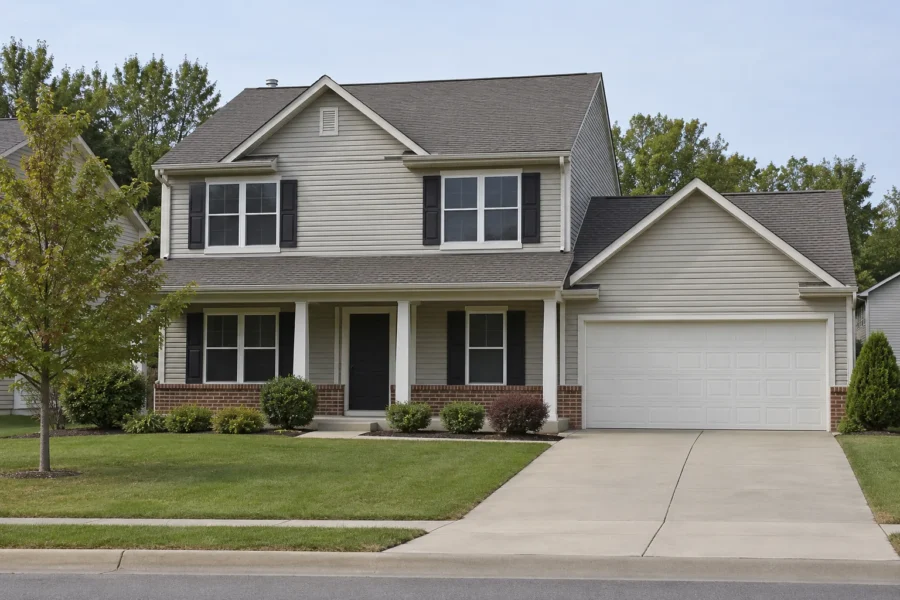
This comes up most often when the timing of two moves doesn’t line up. You may be closing on your next home a week after you sell this one, waiting on a new build, or relying on your sale proceeds to fund the down payment on the next place. A few extra days in the house can mean one move instead of two, and no storage unit.
It also comes up with families who want to finish a school semester, sellers relocating for a job that starts on a fixed date, and older homeowners who need a little more time to sort a lifetime of belongings. Here’s what I tell sellers who ask me about it: it’s a reasonable request, buyers say yes more often than people expect, and it works best when it’s negotiated up front rather than sprung on the buyer the week of closing.
If the bigger issue is coordinating a sale and a purchase, my guide to buying a home while selling yours in Atlanta walks through the other ways to solve the timing problem.
How a temporary occupancy agreement works in Georgia
Once a Georgia sale closes and the deed is recorded, the buyer owns the house. Under a standard Georgia purchase contract, possession transfers at closing too. A temporary occupancy agreement carves out an exception: the buyer owns the home, and you stay as a short term occupant on agreed terms.
Most Metro Atlanta agents use the Georgia REALTORS form written for this exact situation, and it’s typically attached to the contract when the offer is negotiated. A good agreement covers:
- The move out date and time. A specific date and hour, not “a few days after closing.”
- The occupancy fee. A daily amount or a flat fee, or none at all if the buyer agrees.
- A deposit. Often held back from your proceeds by the closing attorney and released after you leave the house in the agreed condition.
- Utilities, lawn care, and repairs. Who pays for what while you’re still there.
- Condition at move out. Usually the same condition as at closing, normal wear excepted, and broom clean.
- Holdover terms. What you owe for each day you stay past the deadline.
Because Georgia closings are run by attorneys, the closing attorney is the person who handles any money held back at closing. Ask early how they want the deposit handled so it shows up correctly on the settlement statement.
How long can you stay?
There’s no Georgia statute that sets one limit for every sale. In practice, two things cap it.
First, the Georgia REALTORS form most agents use is built for short stays and says it isn’t meant for occupancy longer than 60 days. Anything longer starts to look like a lease, and a lease brings landlord and tenant rules into play, so I would have an attorney draft that version.
Second, the buyer’s loan matters. A buyer financing the home as a primary residence usually signs a promise to move in within a set window, commonly 60 days, and some lenders want to review or approve a seller stay at all. If your buyer is using a VA, FHA, or conventional owner occupant loan, the buyer’s agent should confirm with the lender before agreeing to your dates.
Most of the stays I see land between three days and three weeks. Shorter stays are easier to get approved and easier to say yes to.
What it costs, and who carries the risk
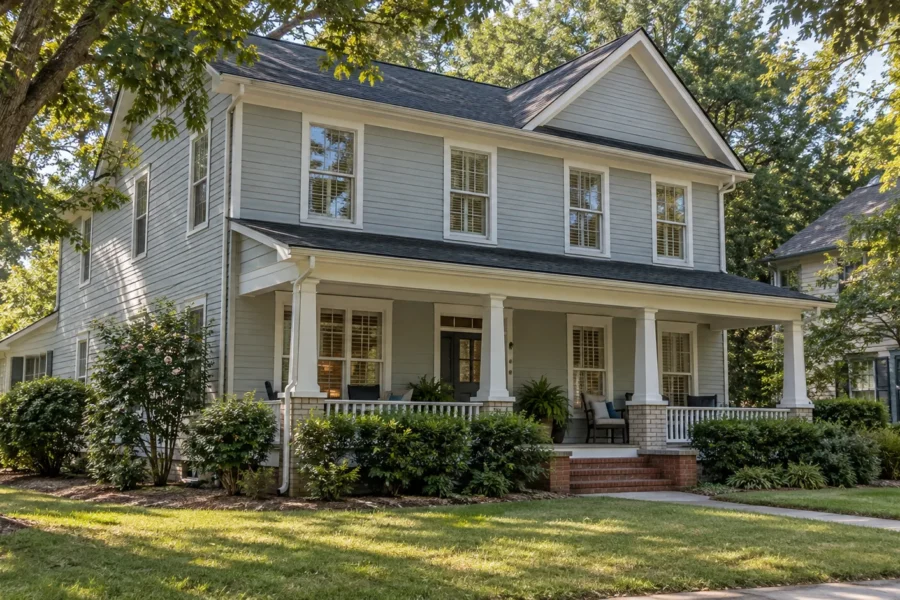
Once you close, the buyer owns a house they can’t live in yet, and they’re paying the mortgage, taxes, and insurance on it. That’s why most agreements include an occupancy fee. A common starting point is the buyer’s daily cost of owning the home, though plenty of buyers waive it for a short stay, especially when the seller gave something elsewhere in the deal.
Insurance is the piece people forget. After closing, the buyer’s homeowners policy covers the structure, but your furniture and belongings are yours. I would call your insurance agent before closing and ask how to cover your contents and your liability for the days you’re still in the house. The buyer should also tell their own insurance company that the seller is staying on.
The buyer will usually want a final walkthrough before closing and a second look when you hand over the keys. Expect both, and leave the house the way the agreement says.
How to ask for it without weakening your offer
Timing is everything here. Ask in the original contract negotiation, not after you’re under contract. A request that shows up the week before closing puts the buyer in a tough spot and can sour an otherwise smooth deal.
- Know your dates before you list. If your next home closes after this one, figure out how many days you need and add a cushion.
- Make it part of the terms buyers see. Your agent can tell interested buyers’ agents up front that you’ll need a short stay, so offers come in with it already priced in.
- Offer something in return if you need to. A fair daily fee, a deposit, or flexibility on another term can make a yes easier.
- Keep it short. Days are an easy ask. Months usually aren’t.
Whether a buyer will agree depends on your price, your timing, and what else is competing for their attention, and that’s where a pricing and timing plan built around your actual move makes the difference.
Other ways to solve the timing gap
A stay after closing isn’t the only option. Depending on your situation, you might push the closing date later so it lines up with your next move, close on your purchase first using a bridge loan or other financing, or plan a short term rental and move once. Each has a cost, and the right answer depends on your equity, your lender, and how much risk you’re comfortable carrying.
If you’re already under contract and wondering what happens between now and the keys, my post on what happens after you accept an offer in Georgia walks through each step.
What the buyer will want in return
Put yourself in the buyer’s shoes for a minute. They’re closing on a house, paying for it from day one, and trusting you to hand it over on time and in good shape. Most reasonable buyers say yes to a short stay when three things are true: the dates are specific, there’s money held back in case something goes wrong, and the terms are in writing before closing.
Buyers commonly ask for a deposit held by the closing attorney, a daily fee that covers their carrying costs, a firm move out time, and the right to do a final check before the deposit is released. Some also ask that the seller keep utilities in their name until move out, or that the seller cover any damage during the stay.
If you’re in a stronger position, such as a well priced home with more than one offer, you may be able to get a short stay with no fee at all. In a slower stretch, it may cost you a little more, either in the fee or in another term of the deal. Either way, the clearer your request, the easier it is for a buyer to say yes.
Staying after closing FAQs
Yes, if the buyer agrees and the arrangement is written into the contract or a temporary occupancy agreement before closing. Without that, the buyer gets possession at closing under a standard Georgia contract. A verbal promise or a text message is not a substitute for the signed agreement.
There is no single legal limit, but most stays run a few days to a few weeks. The Georgia REALTORS temporary occupancy form most agents use is written for short stays and is not meant for longer than 60 days, and a buyer with an owner occupant loan usually has to move in within about 60 days of closing.
Usually the seller pays a daily or flat occupancy fee, often close to the buyer’s daily cost of owning the home, though a buyer can agree to waive it. The fee, any deposit, and the move out date are all negotiable and should be spelled out in the agreement.
The agreement normally sets a holdover charge for each day past the move out date and lets the buyer pursue removal and damages. A seller who stays past the agreed date is no longer a guest, so I would treat the move out date as firm and build in a buffer when you choose it.
The agreement decides. Many sellers keep utilities in their own name until they leave, then transfer them on the move out date. Whatever you agree, write it down so the buyer is not paying for your last power bill.
Next steps
You can stay after closing in Georgia, but only on terms the buyer agrees to in writing before closing, and shorter stays are easier to get. If you’re planning a sale and want to map your move dates before you list, tell me about your timeline and we can build a plan around it.
This post is general information, not legal advice. For an occupancy arrangement longer than a few weeks, or anything that looks like a lease, talk with a Georgia real estate attorney.
Keep reading
- Related readingDoes the Seller Have to Be at Closing in Georgia?
- Related readingHow to Prepare Your Home for Sale in Alpharetta
- Related readingCan I Sell My House If I Owe More Than It’s Worth in Georgia?
Written by
Kristen D. Johnson, REALTOR
Metro Atlanta, intown and out. Grew up in East Point, lives in Edgewood, and has worked both sides of the perimeter long enough to know where the map lies to you.
Work with Kristen Johnson Real EstateThinking about a move in Metro Atlanta?
Tell me what you are weighing up and I will tell you what I would do, in plain terms, before you commit to anything.