Selling a Home
Do I Need a Termite Letter to Sell My House in Georgia?
Georgia law doesn't require a termite letter to sell a house, but VA loans do and buyers can ask for one. Learn what the official report covers and who pays.

Quick answer
No Georgia law requires a termite letter to sell a house, and the standard Georgia REALTORS purchase contract hasn’t required the seller to provide one since its revision in the late 2000s. Whether you’ll need one depends on your buyer: VA loans require a wood infestation report in Georgia, FHA and conventional lenders usually ask only if the appraiser or inspector flags damage, and any buyer can negotiate for one in the contract. When a report is needed, Georgia rules require the Official Georgia Wood Infestation Inspection Report, issued by a certified pest control company.
Getting ready to list? Get a pricing analysis for your home →

What a termite letter actually is
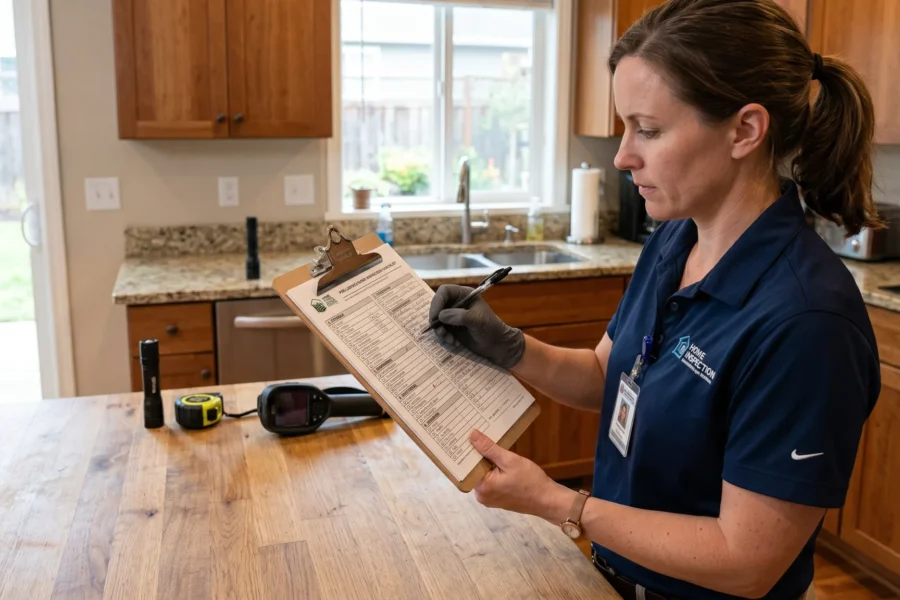
“Termite letter” is the everyday name for the Official Georgia Wood Infestation Inspection Report. Under Georgia’s structural pest control rules, it’s the only form allowed for real estate transfers, and only a pest control operator certified in wood destroying organisms can issue it.
The report covers subterranean termites, drywood termites, powder post beetles, wood boring beetles, and wood decaying fungi (fungi only below the first floor). It is not a structural inspection and it isn’t a warranty. The rule does include a 90 day guarantee: if the inspecting company missed an infestation that turns up within 90 days of the report, it must treat the home at no charge.
A termite letter is also different from a termite bond. A bond is an ongoing service contract with a pest company. A letter is a one time inspection report for a sale.
When a buyer’s lender will ask for one
A lot of the answers online lump all loans together. Here’s how it tends to break down in Georgia:
- VA loans: Georgia is one of the states where VA requires a wood destroying insect inspection on purchases. The report must be on the Georgia form, and current VA rules allow the buyer to pay for it, though sellers often agree to cover it.
- FHA loans: FHA no longer requires a termite inspection on every purchase. It’s typically required when the appraiser sees evidence of active infestation or damage, or when the lender adds it as an extra condition.
- Conventional loans: Usually not required unless the appraisal, inspection, or lender calls for it.
- Cash buyers: No lender rule applies, but many still ask for one in the contract or order their own inspection during due diligence.
If you’re selling to a VA buyer, it helps to know the details of that loan. I cover the funding fee, appraisal, and offer process in how VA loans work in Georgia.
Who pays for the termite letter in Georgia?
It’s negotiable. The standard contract treats termite inspections as part of the buyer’s due diligence, so a buyer who wants one often orders it themselves during the due diligence period. In practice, many Atlanta sellers agree to provide the letter, especially for VA buyers, because it’s a modest cost compared to losing a buyer over it.
Prices vary by company and house size, so I’d call two or three licensed companies for a quote. Lenders usually want the report dated close to closing, often within about 30 days, so ask your buyer’s lender before you schedule it too early.
Should I get a termite inspection before I list?
Here’s what I tell sellers who ask me this. You don’t have to, but there are a few situations where I would consider it:
- Older homes on crawl spaces or with wood close to soil, which are more likely to show issues on a buyer’s report.
- A known past treatment or old damage you want documented as repaired.
- A lapsed or missing bond, where buyers may ask questions you’d rather answer up front.
Finding a problem early gives you time to treat it and get repair quotes on your own schedule, instead of negotiating under a due diligence deadline. The same logic applies to a broader pre-listing inspection.
If you have an active termite bond, find the paperwork and ask the company whether it transfers to a new owner and what that costs. A transferable bond with a clean treatment history can be a selling point.
What to gather before you list
A little paperwork up front can save a lot of back and forth once you’re under contract. Here’s what I ask sellers to pull together:
- Your termite bond contract, if you have one, including the company, the type of bond (retreatment only or retreatment and repair), the renewal date, and whether it transfers.
- Treatment records for any past termite or beetle treatments, with dates.
- Repair receipts for any wood damage that was fixed, ideally with before and after photos.
- Any earlier wood infestation reports, such as the one from when you bought the home.
Buyers tend to be much more comfortable with “we had termites in 2019, here’s the treatment record, the repair invoice, and an active bond” than with a vague answer. Organized records also make it easier for the buyer’s inspector to confirm the issue was handled.
Homes with crawl spaces, wood siding near the ground, or older additions are the ones where I most often see buyers ask detailed questions. If that describes your house, having the history ready is one of the easiest ways to keep a deal calm.
What if the report finds termites?
An infestation is usually a solvable problem, not a deal killer. Typical next steps:
- Get a treatment plan and price from a licensed company.
- Have a contractor look at any damaged wood and quote the repair.
- Decide with the buyer whether you treat and repair before closing, give a credit, or adjust the price.
Georgia leans toward buyer beware, but sellers can’t hide known problems or misrepresent the home. If you know about past termite activity, I would answer the buyer’s questions honestly and in writing. I explain how that works in what sellers have to disclose in Georgia.
How much a termite finding affects your sale depends on the extent of the damage, the buyer’s loan, and how much room you have on price, which is why I’d plan for it before you list rather than react to it under contract.
Termite Letter FAQs
No law requires one, and the standard Georgia REALTORS contract doesn’t require the seller to provide one. It’s required when the buyer’s loan calls for it, such as a VA loan, or when the buyer negotiates it into the contract.
Georgia rules attach a 90 day guarantee to the Official Georgia Wood Infestation Inspection Report. Lenders often set their own window and may want the report dated within about 30 days of closing, so check with the buyer’s lender before scheduling.
Not on every purchase. FHA typically requires one when the appraiser notes evidence of infestation or damage, or when the lender adds it as a condition. VA is different and does require one in Georgia.
Yes. A bond is a service contract, not a legal requirement for a sale. Some buyers like a transferable bond, so if you have one, find out whether it transfers and what the transfer costs.
Only a pest control operator certified in wood destroying organisms, using the Official Georgia Wood Infestation Inspection Report. A general home inspector’s notes don’t replace it when a lender requires the official form.
Next steps
For most Georgia sellers, the termite letter is a buyer and lender question, not a legal one, but knowing your home’s history before you list puts you in a stronger spot. If you’re planning a sale and don’t have an agent yet, tell me about your home and I’ll help you sort out what to handle before it hits the market.
This post is general information, not legal advice. Confirm lender and contract requirements with the buyer’s lender and a Georgia real estate attorney.
Keep reading
- Related readingCan I Sell My House Without a Realtor in Georgia?
- Related readingWhat Happens If the Buyer’s Financing Falls Through in Georgia?
- Related readingShould I Take My Atlanta Home Off the Market for the Holidays?
Written by
Kristen D. Johnson, REALTOR
Metro Atlanta, intown and out. Grew up in East Point, lives in Edgewood, and has worked both sides of the perimeter long enough to know where the map lies to you.
Work with Kristen Johnson Real EstateThinking about a move in Metro Atlanta?
Tell me what you are weighing up and I will tell you what I would do, in plain terms, before you commit to anything.