Buying a Home
What to Do When an Appraisal Comes In Low in Atlanta
Your appraisal came in below contract price. The five options Georgia buyers have, why the contingency deadline matters, and what to do first.
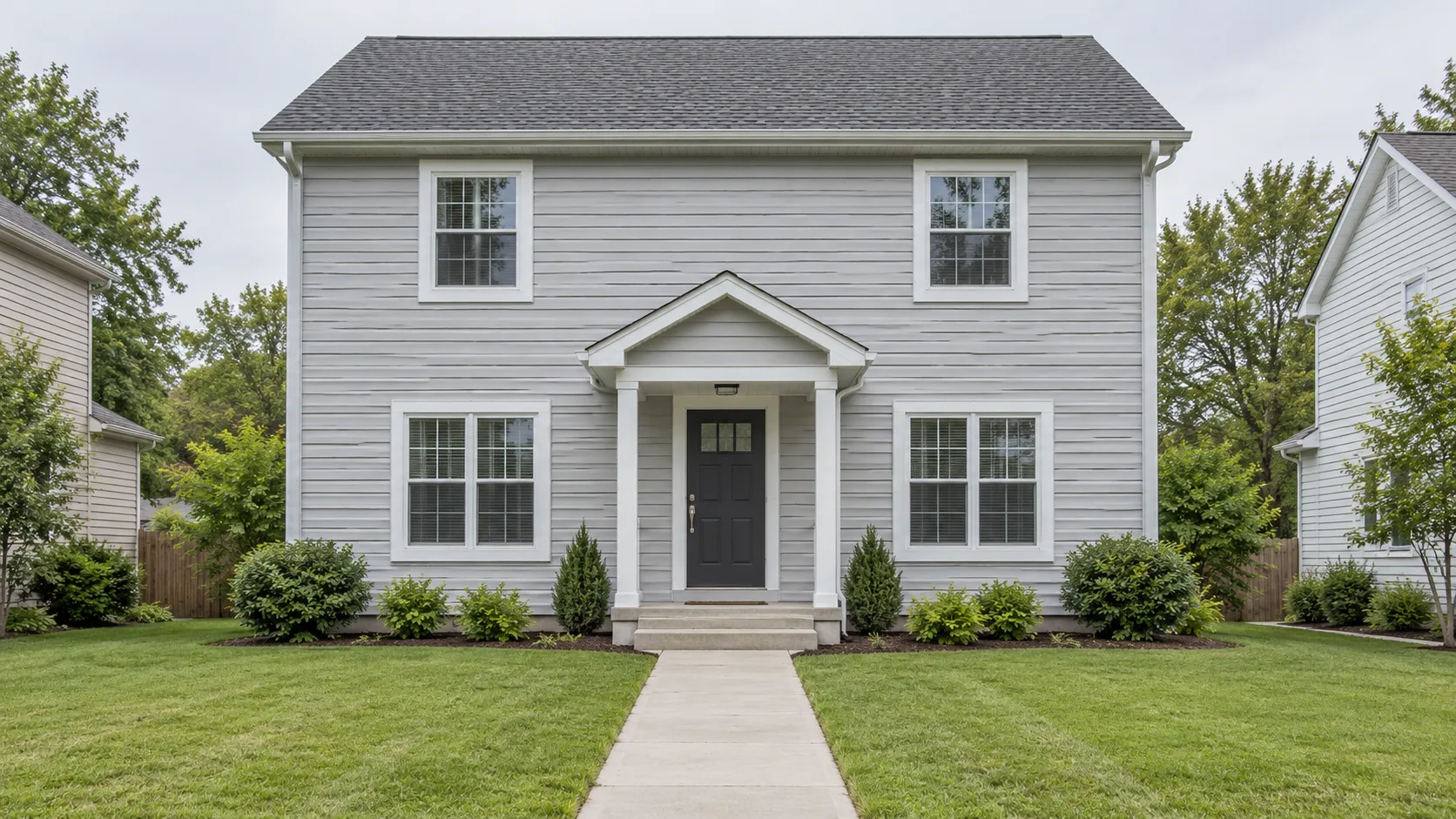
You are under contract. Inspection went fine. Then your lender calls and the appraisal came back below your purchase price, and suddenly the deal you thought was done is a negotiation again.
This happens more often in a market where some sellers are still pricing against peak values that no longer exist. It is not a disaster and it is not usually the end of the deal. But it is a moment where the clock matters, because in Georgia your options are shaped by which contract deadline you are standing in when the number comes back.
Here is what actually happens, what your choices are, and what to do first.
What a low appraisal actually means
Your lender orders an appraisal to confirm the property is worth at least what they are lending against. The appraiser compares your home to recent closed sales nearby and returns an opinion of value.
If that number lands below your contract price, the lender will not lend against the contract price. They lend against the appraised value. The difference between the two is the appraisal gap, and somebody has to cover it or the price has to move.
That is the whole mechanic. The seller has not done anything wrong, the appraiser has not necessarily made a mistake, and your loan has not been denied. What has happened is that the financing now sits on a smaller number than the contract does.
Your five options
Take a contract at $550,000 that appraises at $520,000, a $30,000 gap.
| Option | How it works | When it fits |
|---|---|---|
| Renegotiate to appraised value | Price drops to $520,000. Your loan funds on the appraised number. The seller accepts that the original price was above what the comparable sales support. | The most common outcome, and the cleanest. |
| Split the difference | New price of $535,000. You bring roughly $15,000 in cash to cover the remaining gap, the seller comes down $15,000. Both sides give. | When the seller will move but not all the way, and you have some cash flexibility. |
| Bring the full gap in cash | Price stays at $550,000 and you bring $30,000 above your planned down payment to cover the difference. | Only when you have the funds and you want this specific house enough to pay above appraised value for it. |
| Challenge the appraisal | Your agent submits a rebuttal with stronger comparable sales or corrections. The appraiser may revise. | Rare, and it only works when the appraisal is genuinely flawed, for example poor comparables, missed features or factual errors. |
| Terminate | You exercise the appraisal or financing contingency and exit, recovering earnest money if you act inside the deadline. | When the seller will not move and you cannot or will not cover the gap. |
In practice most deals resolve on the first or second option. Renegotiating to the appraised value or splitting the difference covers the large majority of what I see.
Why the timing matters more than the options
This is the part that is specific to Georgia, and it is what trips up buyers who have bought elsewhere.
Your exit is not governed by one general inspection contingency. It is governed by a sequence of separate windows, each with its own deadline and its own financial consequence. I have written that sequence out in full in can a buyer back out of a real estate contract in Georgia, but the short version matters here:
- The Due Diligence Period is the broad window where you can walk for any reason and recover your earnest money, though you lose the due diligence fee. My guide to Georgia’s due diligence period covers how it works.
- After that window closes, your remaining exits narrow to the financing contingency and the appraisal contingency.
- The appraisal contingency gives you a clear exit path when the property appraises below contract price, provided you invoke it before its deadline.
Appraisals frequently come back after the due diligence period has already closed. That is the situation this article exists for. If you are past due diligence, the appraisal contingency is your protection, and it only protects you if you act inside its deadline. The deadline is spelled out on the face of your purchase and sale agreement. Find it the day you go under contract, not the day the appraisal lands.
Miss the window and you are exposed. Walking away outside your contingencies puts your earnest money at risk, and in extreme cases invites a specific performance claim. My guide to earnest money in Georgia covers what is actually at stake.
What to do in the first 24 hours
- Get the report. Ask your lender for the full appraisal, not just the number. You are entitled to a copy and you cannot evaluate a rebuttal without it.
- Find your deadline. Look up the appraisal contingency deadline on the face of your contract and write it down. Everything else follows from how much time you have.
- Read the comparables. Have your agent check which sales the appraiser used. Wrong neighborhood, materially different condition, stale sales or missed square footage are the things that make a rebuttal worth attempting.
- Work out your real cash position. Not what you could technically scrape together, but what you can bring without leaving yourself without reserves after closing.
- Then open the conversation with the seller. Going to the listing agent with a number and a rationale lands very differently from going with a problem.
The order matters. Buyers who call the seller first, before they know their deadline or their cash position, negotiate from a weaker place than they need to.
Preventing the gap in the first place
If you are still writing offers rather than sitting in one, there are two things worth knowing.
An appraisal gap clause commits you in advance to covering a stated amount of any shortfall in cash. It makes your offer stronger in a competitive situation, and it is a real obligation rather than a gesture. Do not agree to one larger than you can actually fund.
The second is simpler: offering above asking in a market where the comparable sales do not support it is the most reliable way to create an appraisal gap. My guide to negotiating in the Atlanta market goes into where that leverage sits.
Note also that a seller concession does not solve an appraisal gap. Concessions and rate buydowns are useful tools for monthly payment, but they do not close the distance between contract price and appraised value. Only a price reduction or cash does. That distinction catches people out, and it is why a seller-paid rate buydown is a different conversation from this one.
Frequently Asked Questions About Low Appraisals in Georgia
Your lender will lend against the appraised value rather than the contract price, which creates a gap somebody has to cover. You generally have five paths: renegotiate the price down to the appraised value, split the difference with the seller, bring the gap in cash, challenge the appraisal with better comparable sales, or terminate using your appraisal or financing contingency. Most deals resolve with one of the first two.
If you invoke the appraisal contingency before its deadline, it gives you a clear exit path. The deadline is spelled out on the face of your purchase and sale agreement. If you walk outside your contingency windows, your earnest money is at risk and in extreme cases you could face a specific performance claim. Find the deadline the day you go under contract.
Only if the appraisal comes back while that window is still open, which often it does not. During the Due Diligence Period you can walk for any reason and recover earnest money, though you lose the due diligence fee. Once it closes, your remaining exits are the financing contingency and the appraisal contingency, each with its own deadline.
Yes. A seller is not obliged to reduce. If they will not move and you cannot or will not cover the gap in cash, the deal typically ends through your appraisal or financing contingency. Some sellers hold firm because they believe another buyer will pay the price, and sometimes they are right, though the next buyer’s lender will order its own appraisal.
Your agent submits a rebuttal through the lender with stronger comparable sales or corrections to factual errors. It works when the appraisal is genuinely flawed, for example the appraiser used sales from a materially different area, missed finished square footage, or overlooked recent improvements. It is not a route to a higher number simply because you disagree with the opinion, and revisions are uncommon.
A commitment made in your offer to cover a stated amount of any shortfall between contract price and appraised value in cash. It strengthens an offer in a competitive situation because it reduces the seller’s risk of renegotiation. It is a binding obligation, so the amount should be one you can genuinely fund without draining your post-closing reserves.
No. Concessions and rate buydowns work on your monthly payment and your closing costs. They do not change the relationship between contract price and appraised value, and the lender still lends against the appraised number. Closing an appraisal gap takes a price reduction, cash, or both.
The buyer typically pays for the appraisal, ordered by the lender, and it is usually paid before closing rather than at the settlement table. A rebuttal submitted through the lender does not normally carry a second appraisal fee, but a full second appraisal would. Confirm both with your loan officer, and see my guide to closing costs for Georgia buyers for where this sits in your total cost.
If you are sitting in this right now and want a second read on the comparables or on what to ask the seller, send it over. This is a situation where moving quickly and knowing your deadline is most of the battle.
Related reading: what happens after your offer is accepted, Georgia’s due diligence period, earnest money in Georgia, and can a buyer back out of a contract in Georgia.
Keep reading
Written by
Kristen D. Johnson, REALTOR
Metro Atlanta, intown and out. Grew up in East Point, lives in Edgewood, and has worked both sides of the perimeter long enough to know where the map lies to you.
Work with Kristen Johnson Real EstateThinking about a move in Metro Atlanta?
Tell me what you are weighing up and I will tell you what I would do, in plain terms, before you commit to anything.