Buying a Home
Do You Have to Sign a Buyer Broker Agreement in Georgia? What Atlanta Buyers Need to Know in 2026
Georgia law requires a signed buyer broker agreement before any home showing. Here is what it covers, who pays your agent, and what to check before you sign.
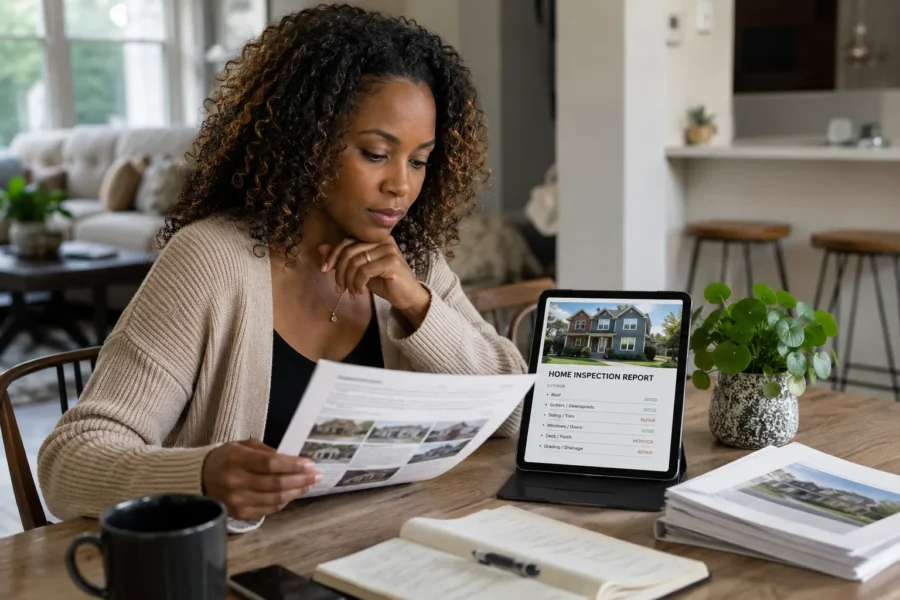
Yes, Georgia law and the August 2024 NAR settlement both require you to sign a written buyer representation agreement before an agent shows you any home. The agreement spells out your agent’s services, how long the relationship lasts, and exactly what they earn. What surprises most Atlanta buyers: you typically don’t pay this out of pocket. In the current market, sellers still cover the buyer’s agent fee as a concession at closing in the vast majority of transactions, the paperwork just looks different than it did two years ago.
What Changed in August 2024, and Why Georgia Was Already Ahead

Georgia has governed brokerage relationships through BRRETA, the Brokerage Relationships in Real Estate Transactions Act, for years. The law already required agents to disclose who they represent and what their obligations are to each party. What the NAR settlement added, effective August 17, 2024, was a specific nationwide requirement: a signed written agreement must be in place before an agent shows a buyer any home, in person or via live virtual tour.
The other significant change happened at the MLS level. Before August 2024, sellers routinely advertised exactly how much they’d pay a buyer’s agent directly in the listing. That field is gone. Georgia MLS platforms removed compensation data from listings entirely. Buyer agent compensation is now negotiated directly between the parties, either as a seller concession written into the offer, or through direct agreement outside the MLS.
In practice, this means two things for Atlanta buyers: you’ll sign an agreement before your first private showing, and you’ll have a clearer picture of the compensation question upfront. The underlying transaction hasn’t changed as dramatically as early headlines suggested, but understanding your agreement matters more now than it did before.
What’s Inside a Georgia Buyer Broker Agreement
The standard form in Georgia is the GAR Buyer Brokerage Engagement Agreement, published by the Georgia Association of REALTORS. Here’s what it covers and what to ask before signing:
| Agreement Element | What It Covers | What to Ask Before Signing |
|---|---|---|
| Scope of Representation | Whether the relationship is exclusive (you work only with this agent during the term) or limited to a specific property or interaction | “Is this exclusive? What does that mean if I visit an open house on my own or find a listing myself?” |
| Term | How long the agreement lasts, negotiated between you and the agent | “How long is this for? What happens if I don’t find a home before it expires?” |
| Compensation | The exact dollar amount or percentage your agent earns, under current rules, this must be specific, not open-ended | “What’s the specific number here, and what would I actually owe at closing if the seller doesn’t cover it?” |
| Services | What the agent commits to providing, showings, offer strategy, negotiation, process guidance, coordination with the closing attorney | “Walk me through exactly what you do from the first showing to the closing table.” |
| Cancellation | Whether and how the agreement can be ended early | “Is there an exit clause if this relationship isn’t working for either of us?” |
One detail that catches buyers off guard: the standard GAR Buyer Brokerage Engagement Agreement does not include an automatic early termination clause. If you want to end the relationship before the agreement expires, that requires a negotiated release from the brokerage, it doesn’t happen automatically. This is one of the clearest reasons to think carefully about the term length before you sign. A 90-day agreement while you’re actively searching is very different from a six-month commitment before you’ve confirmed you’re ready to buy.
Understanding this agreement connects directly to understanding how Georgia’s Due Diligence Period works, your agent is most actively protecting you during that window, and it’s exactly the kind of high-stakes process complexity where having someone legally in your corner changes outcomes.
Who Pays Your Agent, and How the Numbers Work in Atlanta
This is the question nearly every Atlanta buyer is asking, and the short answer is: in most cases, the seller still covers it.
Before August 2024, sellers advertised buyer agent compensation directly in the MLS. That field is gone. But the underlying practice, sellers offering to pay the buyer’s agent to attract more qualified offers, has largely continued. A 2026 HomeLight survey found that 92% of top agents report sellers are still covering buyer’s agent fees. The mechanism changed; the money flow mostly didn’t.
Here’s how a typical Atlanta purchase works today:
Your buyer agreement spells out your agent’s compensation and your responsibility for it. In my practice, my compensation is established as part of our representation agreement. Depending on the transaction, some or all of that amount may be covered through compensation offered by the seller or negotiated as part of the purchase contract.
If there’s a difference between what’s available through the transaction and what you’ve agreed to in your buyer agreement, we’ll discuss that before you move forward with an offer. Your buyer broker agreement protects you from surprises here by making that number explicit upfront, so you know going in what your maximum exposure is.
In Atlanta’s current market, which has shifted meaningfully toward buyers over the past several months, with inventory rising and sellers more willing to negotiate, asking for a concession to cover buyer agent fees is a reasonable request in most situations. It’s not a given on every property, and in competitive multiple-offer scenarios it may require more strategy. But on homes with longer days on market, it’s a standard ask. Understanding what sellers pay at closing helps you see how much room typically exists for that request without killing the deal.
What Happens If You Don’t Sign One
If you tour a home without a signed buyer broker agreement, you’re unrepresented.
That’s not a fine and there’s no penalty. But here’s what it means practically: the listing agent in that home is legally required to represent the seller’s interests. They can be friendly and informative, but their fiduciary duty runs to the seller. When a negotiation gets complicated, and in Georgia’s transaction process, multiple decision points require someone clearly in your corner, you don’t have that.
Georgia’s purchase process involves the Due Diligence Period, inspection negotiations, the appraisal contingency, and working with the closing attorney designated by the parties. Navigating any of those without guidance is a significant risk for most buyers, particularly first-time buyers and out-of-state relocators who aren’t familiar with how the GAR contract works.
If you want to tour a single property before committing to a full exclusive relationship, ask your agent about the GAR Agreement to Work with Buyer as a Customer. This lighter-touch form acknowledges the nature of the relationship for a one-time showing without triggering a full exclusive agreement. Not every agent uses it, but it’s worth asking about if you’re still evaluating who you want to work with.
For relocating buyers: the agreement requirement applies to live virtual tours, too. If you’re doing FaceTime or video walk-throughs from another state before you arrive in Atlanta, your agent needs the agreement in place before those calls. This doesn’t complicate the process, it just means handling the paperwork electronically before the first video showing.
Questions Atlanta Buyers Are Asking About Buyer Broker Agreements
Yes. Since August 17, 2024, Georgia agents are required to have a signed written agreement in place before showing any home, in person or via live virtual tour. You don’t need one to attend an open house or ask an agent general questions about their services. The moment you schedule a private showing, the agreement is required.
The standard form is the GAR Buyer Brokerage Engagement Agreement, published by the Georgia Association of REALTORS. There’s also a limited form called the Agreement to Work with Buyer as a Customer, which covers a single showing without full exclusive representation. Both are governed by BRRETA.
In most Atlanta transactions, the seller still covers the buyer’s agent fee as a seller concession at closing. About 92% of top agents report this is still the norm. The difference since August 2024 is that this is no longer listed on the MLS, it’s negotiated as part of the offer and written into the contract as a closing cost concession.
If the seller doesn’t offer a concession to cover your agent’s compensation, you pay the difference at closing. Your buyer broker agreement specifies the exact amount your agent earns, so you know upfront what your potential out-of-pocket exposure is before you write a single offer. That transparency is one of the main protections the new requirement provides.
The term is negotiated. Common terms run 90 days to six months. If the agreement doesn’t specify a term, Georgia’s BRRETA law sets a default of one year. Don’t sign a term longer than your realistic search timeline.
The standard GAR form doesn’t include an automatic early termination clause. Ending it early requires a negotiated release from the brokerage, not an automatic right. This is why the term length deserves careful attention before you sign.
You’re unrepresented. The listing agent is legally required to represent the seller’s interests. For a one-time showing before committing to an agent, ask about the GAR Agreement to Work with Buyer as a Customer, a limited form that doesn’t require full exclusive representation.
Yes. The requirement applies to live virtual tours as well as in-person showings. If you’re doing video walk-throughs from out of state before arriving in Atlanta, your agent needs a signed agreement before those calls. This is standard practice for relocation buyers and doesn’t complicate the process.
Only the difference. Whatever the seller agrees to pay toward your agent’s compensation reduces what you owe under your buyer broker agreement. It is not paid on top, so if the seller covers all of it, you owe nothing more to your agent.
No. You can browse listings online, drive through neighborhoods, and walk into a public open house on your own without an agreement. The agreement is required before an agent tours a home with you, in person or virtually. Keep in mind that the agent hosting an open house usually represents the seller.
Keep reading
Written by
Kristen D. Johnson, REALTOR
Metro Atlanta, intown and out. Grew up in East Point, lives in Edgewood, and has worked both sides of the perimeter long enough to know where the map lies to you.
Work with Kristen Johnson Real EstateThinking about a move in Metro Atlanta?
Tell me what you are weighing up and I will tell you what I would do, in plain terms, before you commit to anything.