Buying a Home
FHA vs Conventional Loan in Atlanta 2026: Which Is Better?
FHA or conventional? It comes down to your credit score, your down payment and the rate you can get. Here is the honest breakdown, without the mortgage jargon.
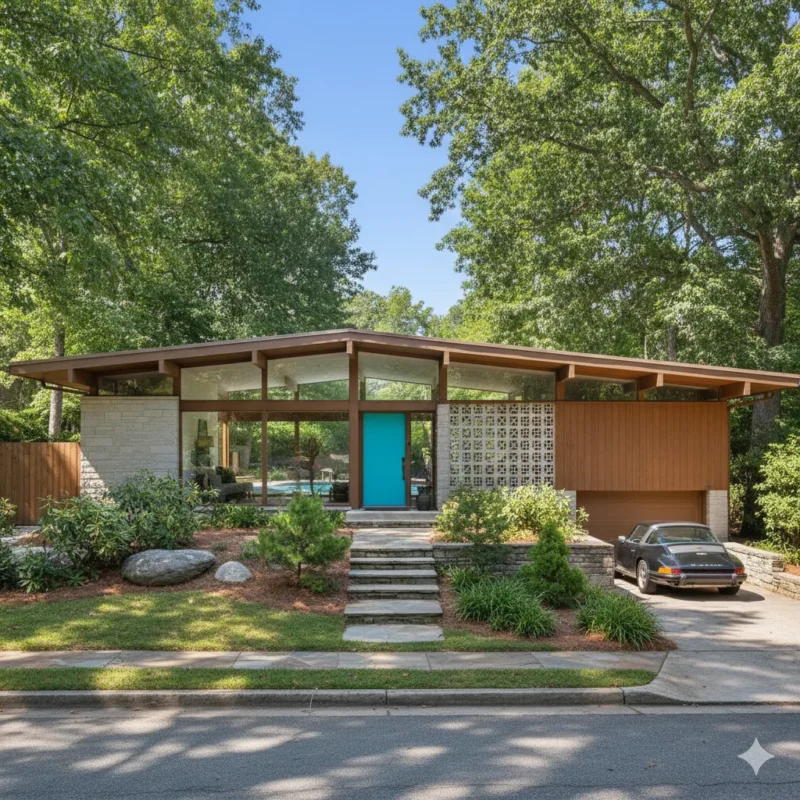
FHA vs. Conventional loan: which is better in Atlanta?
A note on the numbers below: the interest rates, mortgage insurance factors, loan limits and payment examples in this article reflect February 2026, when I wrote it. Rates and limits move, so read these as a snapshot of that month rather than a quote for today, and ask your lender to price your own scenario.
Conventional is better long-term but FHA works for buyers with lower credit or smaller down payment. FHA often has slightly lower interest rates but much higher total monthly cost due to expensive mortgage insurance that never drops off. Conventional has slightly higher rates but cheaper PMI that disappears at 20% equity. The break-even: 5-7 years. On a $350K home, FHA costs $36,600 more over 10 years despite the lower rate. Planning to stay longer? Conventional. Need easier approval now? FHA then refinance. Nearly 10 years helping Atlanta buyers means I know which loan actually costs you less.
“Should I go FHA or conventional?”
Every first-time buyer asks this. Here’s the real answer based on your situation.
Quick Comparison
Conventional Loan
Pros:
-
Much lower total monthly cost long-term
-
Cheaper mortgage insurance (PMI)
-
PMI drops off at 20% equity
-
More property types accepted
-
Less strict property standards
-
Easier to refinance later
-
Better for older homes
Cons:
-
Requires 620+ credit score
-
Harder to qualify initially
-
Less forgiving of debt-to-income
-
Interest rate often 0.125-0.25% higher
Best for:
-
Credit score 680+
-
Can put 5%+ down
-
Planning to stay 5+ years
-
Buying older property FHA might reject
-
Want lowest total cost
FHA Loan
Pros:
-
Often lower interest rates (0.125-0.25%)
-
Accepts 580 credit score (500 with 10% down)
-
Easier approval process
-
3.5% down payment minimum
-
More lenient debt-to-income (up to 50%)
-
Gift funds allowed
-
Works with down payment assistance
Cons:
-
Much higher monthly mortgage insurance (MIP)
-
MIP for life of loan (if under 10% down)
-
Upfront mortgage insurance premium (1.75% of loan)
-
Stricter property standards
-
Seller resistance (sometimes)
-
Higher total cost despite lower rate
Best for:
-
Credit score 580-680
-
Limited down payment (3.5%)
-
High debt-to-income ratio
-
Need easier approval
-
Plan to refinance in 2-3 years
Real Cost Comparison (Atlanta $350K Home)
Scenario A: Conventional 5% Down
Purchase price: $350,000 Down payment: $17,500 (5%) Loan amount: $332,500 Interest rate: 6.5% Credit score: 680
Monthly costs:
-
Principal & interest: $2,101
-
PMI: $184 (drops off at 20% equity)
-
Property taxes: $350
-
Insurance: $150 Total: $2,785/month
PMI drops off: Year 7 (when you hit 20% equity) New payment after PMI drops: $2,601/month
Scenario B: FHA 3.5% Down
Purchase price: $350,000 Down payment: $12,250 (3.5%) Loan amount: $337,750 Interest rate: 6.25% (often 0.25% lower than conventional) Credit score: 620
Upfront MIP: $5,911 (1.75% of loan, rolled into loan) Actual loan amount: $343,661
Monthly costs:
-
Principal & interest: $2,115
-
MIP: $302 (for life of loan at 0.55% annually)
-
Property taxes: $350
-
Insurance: $150 Total: $2,917/month
MIP never drops off (unless you put 10%+ down)
Key insight: FHA has lower interest rate (6.25% vs 6.5%) BUT higher total monthly payment due to expensive MIP.
The Math
Month 1-84 (Years 1-7):
-
Conventional: $2,785/month
-
FHA: $2,917/month
-
FHA costs $132/month MORE despite lower interest rate
Month 85+ (After Year 7):
-
Conventional: $2,601/month (PMI dropped)
-
FHA: $2,917/month (MIP remains)
-
FHA costs $316/month MORE
Break-even analysis: Over 10 years:
-
Conventional total: $326,796
-
FHA total: $350,040
-
FHA costs $23,244 MORE (despite having lower interest rate)
Over 30 years:
-
Conventional total: $913,716 (PMI gone after year 7)
-
FHA total: $1,050,120 (MIP entire time)
-
FHA costs $136,404 MORE
The lesson: Lower interest rate doesn’t mean lower cost. Mortgage insurance matters more.
When Conventional Makes Sense
You Have Good Credit (680+)
Why it matters: Lower mortgage insurance cost overwhelms any rate difference
Example:
-
FHA: 6.25% rate + 0.55% MIP = 6.8% effective cost
-
Conventional: 6.5% rate + 0.35% PMI = 6.85% effective cost initially
-
BUT conventional PMI drops off, FHA MIP doesn’t
-
$350K loan over 30 years
-
Conventional saves $136,404 total despite slightly higher rate
The truth: Interest rate is only one piece. Total monthly cost matters more.
You Can Put 5-10% Down
The advantage:
-
Lower PMI cost
-
PMI drops sooner
-
Better rates
-
More equity from start
PMI drop-off timeline (conventional):
-
10% down: 4-5 years to 20% equity
-
5% down: 6-8 years
-
3% down: 8-10 years
You’re Buying Long-Term (7+ Years)
Break-even is typically 5-7 years
Stay longer than break-even:
-
Conventional saves big
-
PMI drops off
-
Lower rate compounds savings
Example (10 year ownership):
-
Conventional: $326,796 total cost
-
FHA: $350,040
-
Save $23,244 by choosing conventional
Property Might Not Pass FHA
FHA rejects:
-
Homes needing major repairs
-
Peeling paint (lead concerns)
-
Foundation issues
-
Electrical/plumbing problems
-
Pest damage
-
Missing handrails
Common in Atlanta:
-
Older intown homes (Virginia-Highland, Decatur, Edgewood)
-
Fixer-uppers
-
Homes with deferred maintenance
-
Historic properties
Conventional:
-
More flexible
-
Appraisal still required but less strict
-
Can buy homes FHA won’t touch
Lower Debt-to-Income Ratio
If your DTI is:
-
Under 43%: Conventional fine
-
43-50%: FHA more lenient
Calculate yours: Total monthly debt / Gross monthly income
Example:
-
Income: $6,000/month
-
Car: $400
-
Student loans: $250
-
Future mortgage: $2,000
-
Total debt: $2,650
-
DTI: 44%
Result: FHA more likely to approve than conventional
When FHA Makes Sense
Credit Score 580-680
FHA advantage:
-
Minimum 580 (vs. 620 conventional)
-
Often gets lower interest rate (0.125-0.25% better)
-
More forgiving of past issues
-
Collections less problematic
-
Recent late payments acceptable
But remember: Lower rate doesn’t offset expensive MIP long-term
If your credit is:
-
580-619: FHA only option
-
620-679: FHA easier approval, but conventional cheaper if you qualify
-
680+: Conventional almost always better deal
Limited Down Payment Funds
FHA: 3.5% down Conventional: 3% down minimum
But: FHA more lenient on source of funds
FHA allows:
-
100% gift funds
-
Down payment assistance stacking
-
Flexible documentation
Example: $300K home
-
FHA: $10,500 down (3.5%)
-
Plus closing costs: $6,000-$9,000
-
Total needed: $16,500-$19,500
With Atlanta DPA:
-
Atlanta Housing: $20,000
-
Covers down payment + closing
-
Out of pocket: $0-$500
High Debt-to-Income (43-50%)
Conventional max: Usually 43-45% FHA max: Up to 50% (with compensating factors)
FHA compensating factors:
-
Cash reserves
-
Low loan amount
-
Minimal credit usage
-
Stable employment
-
Additional income sources
Who benefits:
-
High student loan payments
-
Car payments
-
Other debts
-
Alimony/child support
Planning to Refinance Soon
Strategy:
-
Get FHA now (easier approval, lower rate)
-
Build equity 2-3 years
-
Improve credit score
-
Refinance to conventional
-
Drop mortgage insurance entirely
Timeline:
-
Month 1: FHA at 6.25%, $302 MIP, $2,917 total
-
Year 2-3: Build equity, improve credit to 700+
-
Year 3: Refinance to conventional 6.0%, no MI needed
-
Result: Lower rate AND no insurance = $2,267/month
-
Save $650/month after refinance
When this works:
-
Credit improving quickly
-
Building savings
-
Income increasing
-
Atlanta market appreciating
Using Down Payment Assistance
Many Atlanta DPA programs require FHA or VA:
Atlanta Housing Authority:
-
Up to $25,000
-
FHA or VA only
-
Forgiven after 10 years
Invest Atlanta:
-
3.5% grant
-
FHA loans
-
Never needs repaying
Strategy: Use FHA + DPA to buy now, refinance to conventional later
Atlanta Property Considerations
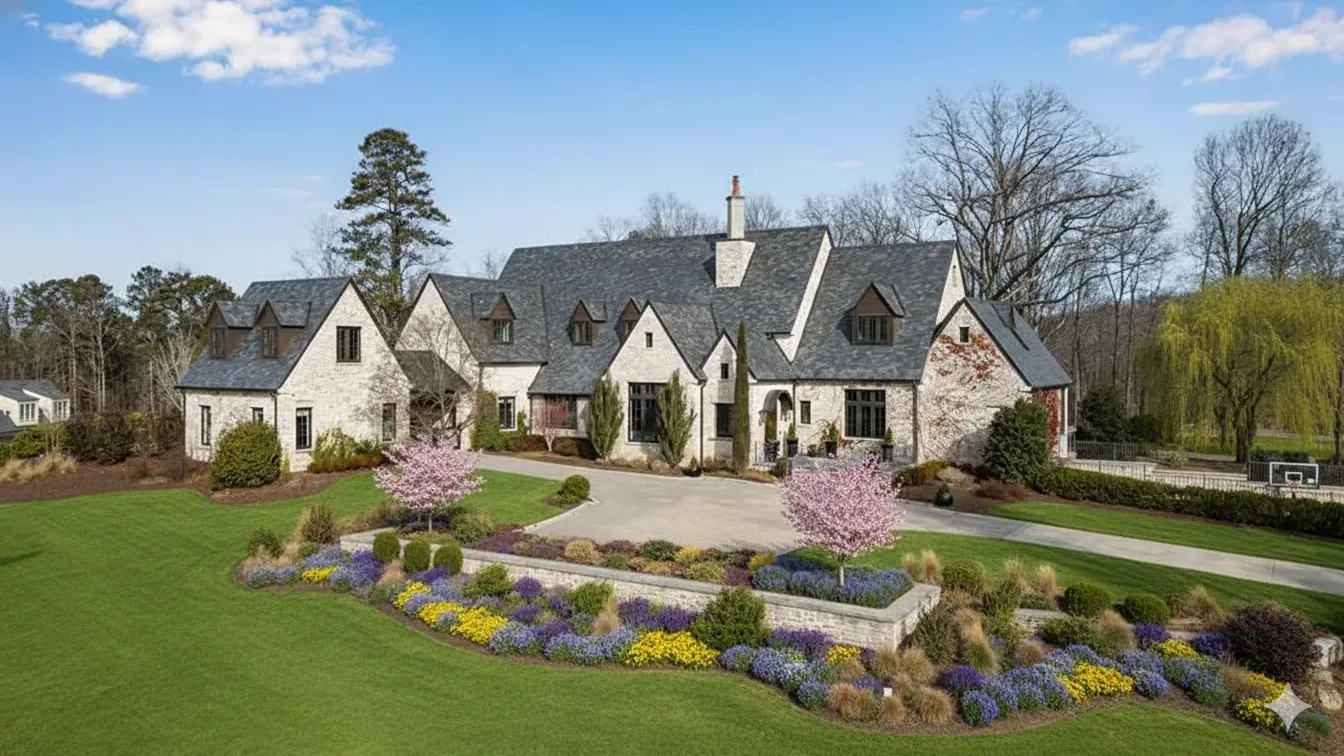
Intown vs. Suburbs
Intown (Edgewood, Virginia-Highland, Kirkwood, Decatur):
-
Older homes (1920s-1960s)
-
More likely to fail FHA inspection
-
Conventional often necessary
-
Higher prices favor conventional long-term
Suburbs (Smyrna, Alpharetta, Brookhaven, Marietta):
-
Newer construction
-
More FHA-friendly
-
Easier inspections
-
Broader loan options
Common Atlanta FHA Issues
Paint:
-
Older homes have peeling paint
-
FHA requires repair before closing
-
Lead paint concerns
-
Common in ITP neighborhoods
Foundation:
-
Many Atlanta homes have foundation issues
-
Minor cracks: Usually okay
-
Major problems: FHA rejects
-
Conventional more flexible
HVAC:
-
Must be working
-
Atlanta summers make this critical
-
FHA requires functional AC
-
Replacement: $5,000-$12,000
Termites:
-
Common in Georgia
-
FHA requires inspection + clear letter
-
Active infestation must be treated
-
Termite bond recommended
Condos and Townhomes
FHA requires:
-
HOA on FHA-approved list
-
HOA financially sound
-
Minimum owner-occupancy ratio
-
Reserve funds adequate
Many Atlanta condos:
-
Midtown high-rises
-
West Midtown developments
-
Buckhead buildings
Are NOT FHA-approved
Conventional:
-
More flexible
-
Easier condo approval
-
More building options
Long-Term Cost Analysis
Hold 5 Years
$350K home, sell after 5 years:
Conventional:
-
Paid in payments: $167,100
-
Principal paid down: $31,850
-
Appreciation (3%/year): $55,650
-
Selling costs (6%): $24,339
-
Net position: +$63,161
FHA:
-
Paid in payments: $175,020
-
Principal paid down: $29,400
-
Appreciation: $55,650
-
Selling costs: $24,339
-
Net position: +$60,731
Difference: $2,430 advantage conventional
Hold 10 Years
Conventional:
-
Paid: $326,796 (PMI dropped year 7)
-
Principal: $74,680
-
Appreciation (3%/year): $120,477
-
Selling costs: $28,229
-
Net position: +$166,928
FHA:
-
Paid: $350,040
-
Principal: $70,350
-
Appreciation: $120,477
-
Selling costs: $28,229
-
Net position: +$162,558
Difference: $4,370 advantage conventional Plus paid $23,244 less overall Total advantage: $27,614
Hold 30 Years (Pay Off)
Conventional:
-
Total paid: $913,716
-
Home value (3%/year): $849,447
-
Own outright
-
Net position: +$849,447
FHA:
-
Total paid: $1,050,120
-
Home value: $849,447
-
Own outright
-
Net position: +$849,447
But paid $136,404 MORE for same house
Why? That lifetime MIP adds up massively despite FHA’s lower interest rate.
The Refinance Strategy

When It Makes Sense
Start with FHA if:
-
Need easier approval now
-
Credit score 580-650
-
Limited down payment
-
Planning to stay 3+ years
Refinance to conventional when:
-
Credit improves to 680+
-
Home appreciates to 80% LTV
-
Rates drop 0.75%+ OR
-
2-3 years pass (even if rates same)
Real Example
2023: Buy with FHA
-
$350K home
-
3.5% down ($12,250)
-
FHA 6.0% (rates were lower then)
-
Monthly: $2,850 (including MIP)
-
Credit: 620
2026: Refinance to Conventional
-
Home value: $382,000 (3%/year appreciation)
-
Loan balance: $329,500
-
LTV: 86% (under 90% threshold)
-
Credit improved: 720
-
Conventional rate: 6.0%
-
New monthly: $2,476 (PMI at 0.35% = $93/month)
-
PMI drops when you hit 20% equity
Savings:
-
Old payment: $2,850
-
New payment: $2,476
-
Save $374/month
-
Plus PMI will drop off in 3-4 more years
Break-even:
-
Refinance costs: $4,000-$6,000
-
Breaks even: 11-16 months
-
After that: Pure savings
Decision Framework
Choose Conventional If:
✓ Credit score 680+
-
Get better rates
-
Cheaper insurance
-
Long-term savings significant
✓ Can put 5%+ down
-
PMI drops faster
-
Better approval odds
-
More equity from start
✓ Staying 7+ years
-
Break-even at 5-7 years
-
After that: Big savings
-
PMI drops off
✓ Buying older property
-
May not pass FHA inspection
-
Conventional more flexible
-
Avoid deal-killing repairs
✓ DTI under 43%
-
Qualify easily
-
Better rates available
-
Conventional no problem
Choose FHA If:
✓ Credit score 580-680
-
Conventional hard to get
-
FHA designed for this
-
Can refinance later
✓ Only have 3.5-5% down
-
FHA allows 3.5%
-
Plus gift funds welcome
-
Easier qualification
✓ DTI 43-50%
-
Conventional won’t approve
-
FHA more lenient
-
Compensating factors help
✓ Using down payment assistance
-
Many programs require FHA
-
Atlanta Housing: FHA only
-
Get $20K-$25K assistance
✓ Planning to refinance 2-3 years
-
Get in now with FHA
-
Build equity + credit
-
Refinance to conventional
-
Long-term still comes out ahead
Atlanta Lender Recommendations
Look for Lenders Who:
Understand both products:
-
Run numbers both ways
-
Show long-term costs
-
Explain break-even
-
Honest about which saves money
Know Atlanta:
-
Understand older home challenges
-
Familiar with intown properties
-
Work with FHA inspectors locally
-
Know which condos are FHA-approved
Offer both programs:
-
Can switch if one doesn’t work
-
Compare rates side-by-side
-
No pressure toward either
-
Explain trade-offs clearly
Red Flags:
Pushy toward FHA:
-
“Everyone does FHA”
-
Don’t mention long-term costs
-
Ignore conventional option
-
FHA commissions can be higher
Can’t explain costs:
-
Don’t show MIP vs PMI
-
Won’t compare 10-year total
-
Vague about insurance drop-off
-
Push without analysis
Common Myths Debunked
Myth 1: “FHA is for first-time buyers only”
False. Anyone can use FHA. No first-time buyer requirement.
Myth 2: “Conventional always requires 20% down”
False. Conventional goes as low as 3% down. PMI required but drops off.
Myth 3: “FHA has higher interest rates”
False. FHA often has rates 0.125-0.25% LOWER than conventional. But total cost is still higher due to expensive mortgage insurance.
Myth 4: “FHA is always easier to get”
Sometimes true, sometimes not. Depends on credit, DTI, property condition. For property in great shape with 680+ credit, conventional can be just as easy. FHA shines for lower credit or higher DTI.
Myth 5: “Sellers won’t accept FHA offers”
Overstated. In Atlanta’s 2026 market, sellers negotiate. FHA fine for move-in ready homes.
Myth 6: “You can’t refinance FHA to conventional”
Completely false. Common strategy. Do it all the time. Usually after 2-3 years.
Bottom Line: Which Should You Choose?
Run both scenarios with your lender.
The most important thing to understand: FHA often has a lower interest rate BUT higher total cost. Don’t be fooled by rate alone.
Most buyers should:
-
Try conventional first
-
Fall back to FHA if needed
-
Plan refinance timeline if using FHA
The truth:
-
Conventional saves money long-term (even with slightly higher rate)
-
FHA gets you in easier now
-
Both have legitimate uses
-
Total monthly cost determines the answer, not just rate
In Atlanta specifically:
-
Conventional better for intown older homes
-
FHA works for suburban newer construction
-
Both viable for most properties
-
Property condition often decides
-
Don’t let slightly lower FHA rate fool you into ignoring MIP cost
Keep reading
Written by
Kristen D. Johnson, REALTOR
Metro Atlanta, intown and out. Grew up in East Point, lives in Edgewood, and has worked both sides of the perimeter long enough to know where the map lies to you.
Work with Kristen Johnson Real EstateThinking about a move in Metro Atlanta?
Tell me what you are weighing up and I will tell you what I would do, in plain terms, before you commit to anything.