Buying a Home
Should I Buy a House Now or Wait? Atlanta Real Estate Market Timing Guide
Buy now or wait for lower rates? The 2026 math on an Atlanta purchase at 6%, and how to tell which side of it you are on.

Should I buy a house now or wait for better rates?
Buy now if you can afford it, waiting for lower rates could cost you more. In Atlanta’s current 2026 market, mortgage rates are around 6%, inventory is up 25% from last year, and sellers are negotiating. When rates eventually drop, competition will surge and prices will rise, potentially canceling out any rate savings. With nearly 10 years in Metro Atlanta real estate, I explain why “marry the house, date the rate” is the smartest strategy, and when waiting actually makes sense.
This is the question I hear most from buyers right now: “Should I wait for interest rates to drop before buying?”
It’s a fair question. Mortgage rates have been hovering around 6% in early 2026, and everyone’s heard predictions that rates might fall to 5.5-5.9% by the end of the year. So why not wait and save money on interest?
Here’s what I tell every buyer who asks: You can’t time the real estate market perfectly. And trying to do so usually costs you more in the long run.
Let me break down what’s actually happening in Atlanta’s market right now, what experts predict for 2026, and the math behind the “buy now vs. wait” decision.
Atlanta’s Current Market Reality (Early 2026)
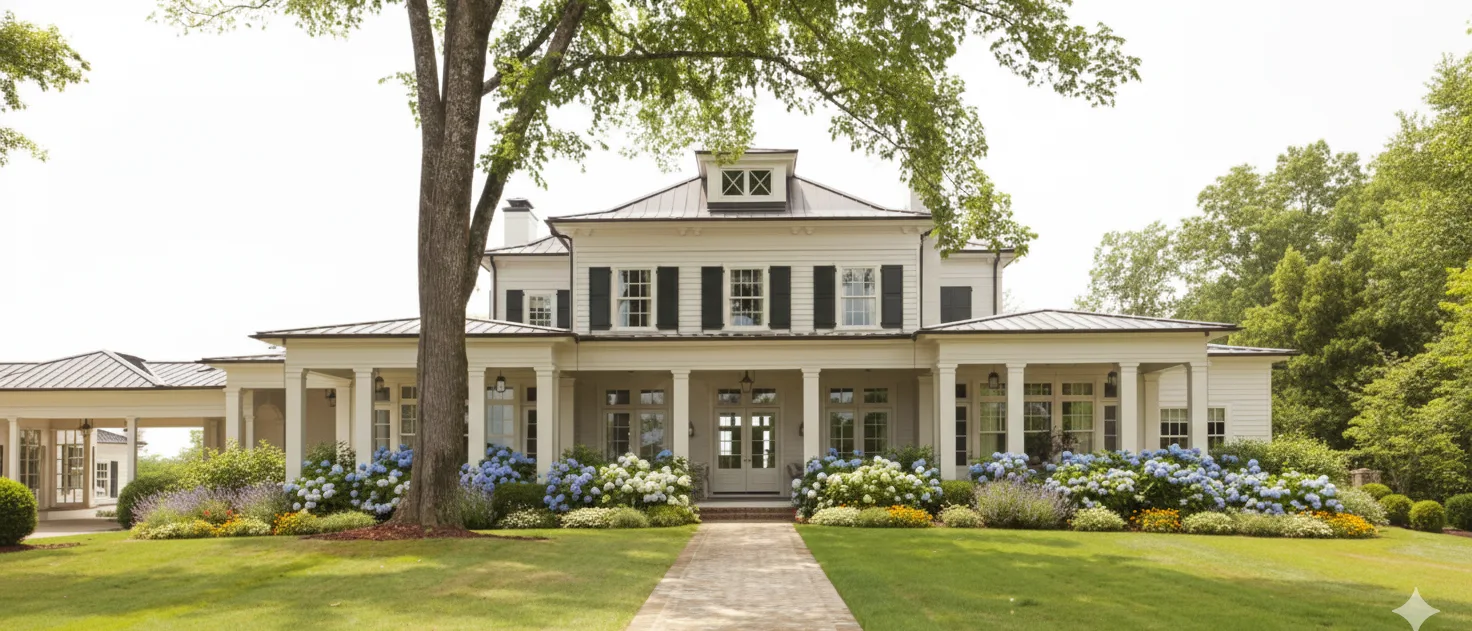
The Metro Atlanta market has shifted significantly from the frenzy of 2020-2022. Here’s where we stand as of January 2026:
Inventory Is Up
-
4.7 months of supply (up from less than 1 month during peak COVID years)
-
25% more homes available compared to last year in Atlanta core counties
-
More choices for buyers, especially in popular neighborhoods
Buyers Have Negotiating Power
-
62% of sold homes include seller concessions (averaging $4,000)
-
41% of listings have had price reductions since January 2025
-
Homes selling at 96.7% of asking price (down from 99%+ during bidding wars)
-
Only 16.4% of homes sell over asking price (down from 18.4% last year)
Days on Market Are Up
-
Typical home takes 50-75 days to sell (versus 7-14 days in 2021-2022)
-
Buyers can actually schedule multiple showings and think about their decision
-
Inspection and appraisal contingencies are back
Prices Are Stabilizing
-
Median Atlanta home price: $438,000 (up 8.1% from last year, but growth is slowing)
-
Experts predict 2-4% price growth for 2026 (much more sustainable than the double-digit growth of recent years)
-
Some neighborhoods seeing slight corrections after rapid appreciation
What this means: We’re in the most balanced market Atlanta has seen in 4-5 years. It’s not a buyer’s market yet, but it’s no longer the extreme seller’s market of 2021-2022.
The Math: Why Waiting for Lower Rates Often Backfires

Let’s say you’re looking at a $450,000 home (Atlanta’s median price). You’re deciding between buying now at 6% or waiting 6-12 months hoping rates drop to 5.5%.
Scenario 1: Buy Now at 6%
-
Purchase price: $450,000
-
Down payment (10%): $45,000
-
Loan amount: $405,000
-
Rate: 6%
-
Monthly P&I payment: $2,427
-
Total interest over 30 years: $468,720
Scenario 2: Wait, Rates Drop to 5.5%, But Price Increases
Here’s what actually happens when rates drop: more buyers enter the market. Increased demand + limited supply = higher prices.
Let’s assume just 3% price appreciation while you wait (conservative, given Atlanta’s history):
-
Purchase price: $463,500 (3% higher)
-
Down payment (10%): $46,350
-
Loan amount: $417,150
-
Rate: 5.5%
-
Monthly P&I payment: $2,367
-
Total interest over 30 years: $434,820
At first glance, Scenario 2 looks better: $60 less per month, $33,900 less in interest over 30 years.
But here’s what you missed:
-
You paid $13,500 more for the house (now you need more cash at closing)
-
You paid rent for 6-12 months while waiting (let’s say $2,000/month = $12,000-$24,000 in rent you’ll never see again)
-
You lost 6-12 months of equity building
-
Property taxes and insurance are now higher (based on the higher purchase price)
The Real Comparison
Buy now total cost:
-
Upfront: $45,000 down payment
-
12 months of payments: $29,124
-
Total first year: $74,124
Wait 12 months total cost:
-
12 months of rent: $24,000
-
Then upfront: $46,350 down payment
-
Then monthly payments: $2,367
-
Total first year: $70,350 (but you own nothing for 12 months)
After that first year of waiting and then buying:
-
You paid $70,350 and you’re just starting to build equity
-
The person who bought immediately paid $74,124 but they have 12 months of equity already built (approximately $7,000-$10,000 in principal paid down plus any appreciation)
Bottom line: You “saved” $3,774 in the short term, but you’re $7,000-$10,000 behind in equity. And if prices went up more than 3%, you’re even further behind.
What Experts Are Predicting for Atlanta in 2026
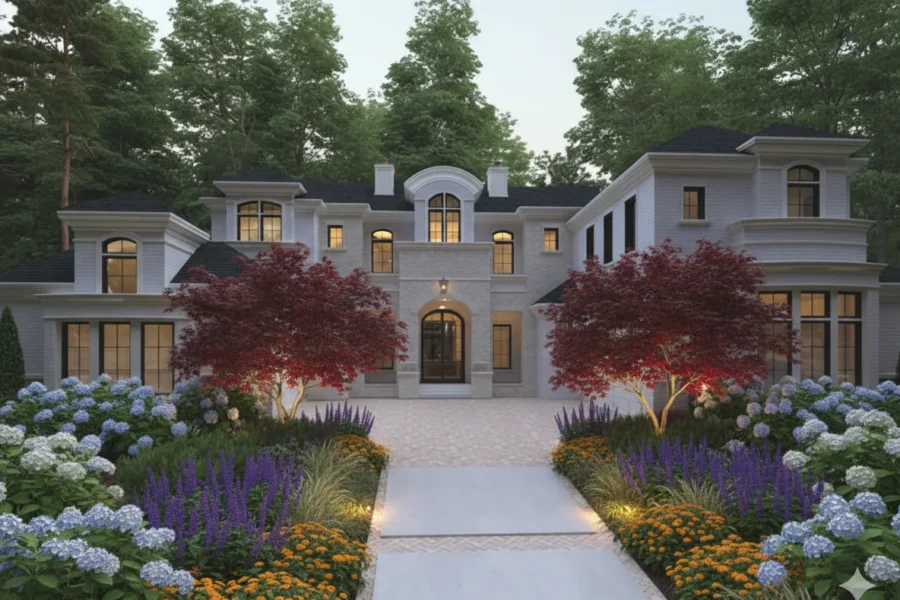
Multiple Atlanta real estate professionals and national economists are aligned on these forecasts:
Mortgage Rates
-
Current (January 2026): Around 6%
-
Fannie Mae prediction: Gradual decline to 5.9% by Q4 2026
-
MBA prediction: Holding steady at 6.3-6.4% throughout 2026
-
Consensus: Rates likely to stay in the 6-6.5% range for most of the year, with possible dips to high-5% range
Translation: Don’t expect dramatic drops. We’re talking about a potential 0.3-0.5% decrease, not 2-3%.
Home Prices
-
2026 prediction: 2-4% appreciation (sustainable growth)
-
Atlanta core neighborhoods (Buckhead, Sandy Springs, Brookhaven, Edgewood, Kirkwood): Continued strong performance
-
Emerging areas (Smyrna, Tucker, West Midtown): Increased buyer interest as affordability drives people to new neighborhoods
Inventory
-
Expected to increase 5-10% throughout 2026
-
Some “rate-locked” homeowners (those with 3-4% rates) finally deciding to sell
-
More choices for buyers, but still below pre-2020 levels
Buyer Competition
-
Will increase if/when rates drop below 6%
-
Multiple offers likely to return in competitive neighborhoods
-
First-time buyers will face the most challenges
When Buying Now Makes Sense
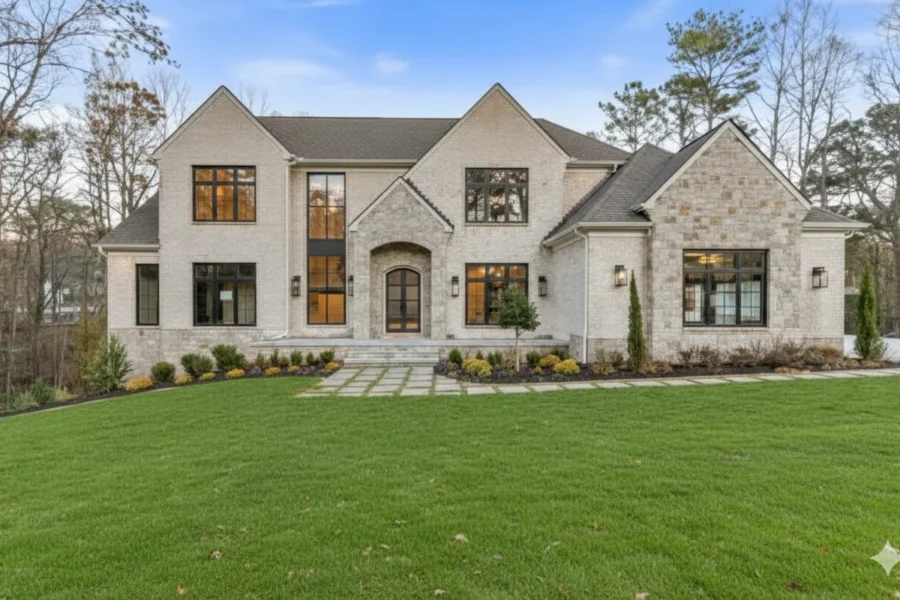
Buy now if you check these boxes:
✅ You can afford the monthly payment at current rates This is the #1 factor. If a 6% rate fits your budget comfortably, don’t wait.
✅ You plan to stay in the home for 5+ years Real estate is a long-term investment. Over 5-10 years, a 0.5% rate difference becomes noise compared to appreciation and equity building.
✅ You found a home you love in your target neighborhood Good homes in desirable Atlanta neighborhoods don’t sit long, even in a slower market. If you found the right house, don’t lose it trying to save a fraction of a percent on your rate.
✅ You’re currently paying high rent If you’re paying $2,000+/month in rent (common in Intown Atlanta), you’re throwing away $24,000/year with zero equity. That’s money you could be using to build wealth.
✅ You have stable income and job security Homeownership requires financial stability. If your job and income are solid, don’t let rate speculation keep you renting.
The “Marry the House, Date the Rate” Strategy
Here’s what smart buyers are doing: Buy the house now, refinance when rates drop.
-
Lock in your home in today’s less competitive market
-
Start building equity immediately
-
Keep an eye on rates over the next 12-24 months
-
Refinance when rates drop enough to make it worthwhile (usually 0.75-1% decrease)
Real example: I had a client buy in Edgewood in November 2025 at 6.5%. He just refinanced at 6% (saving $160/month). Even after closing costs, he’ll break even in 18 months and save thousands over the life of the loan. And he’s been building equity since November instead of paying rent.
When Waiting Might Make Sense
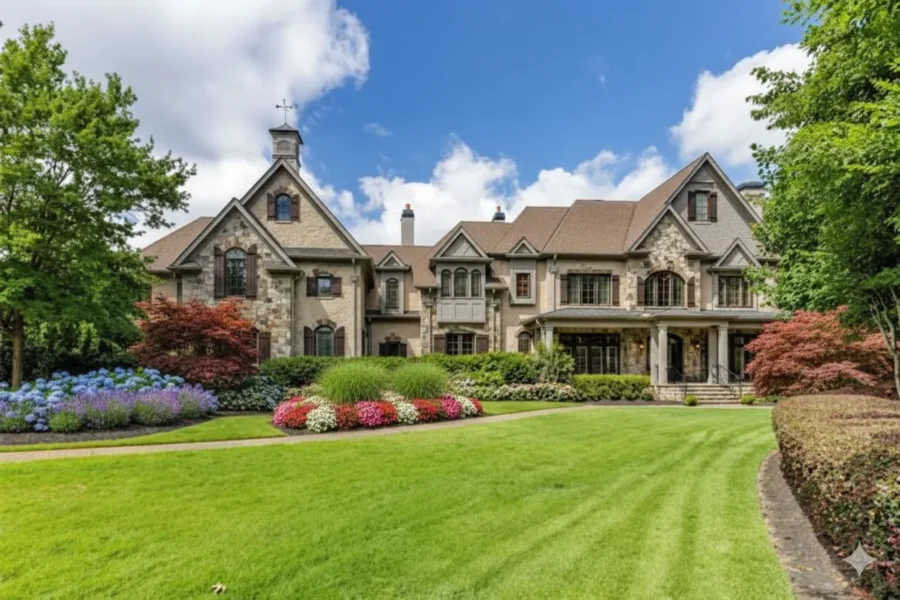
Wait if any of these apply:
❌ You can barely afford current payments If a 6% rate maxes out your budget, a rate increase to 6.5% would be dangerous. Wait, save more, and get more financial cushion.
❌ You’re expecting a major life change in 6-12 months Job relocation, marriage, divorce, major income change, if you know big changes are coming, hold off.
❌ You haven’t saved an emergency fund Homeownership brings unexpected costs. If you don’t have 3-6 months of expenses saved beyond your down payment, keep renting and saving.
❌ You’re house hunting in an overheated micro-market Some specific Atlanta neighborhoods or suburbs might still be seeing irrational bidding wars. If you’re looking in one of these pockets, waiting for things to cool might save you from overpaying.
❌ Interest rates are actively spiking If we see rates jump to 7-8%, waiting for them to come back down makes sense. But at 6% (January 2026), we’re near historical averages.
What About a Recession? Should I Wait for Prices to Crash?
I get this question constantly: “Won’t prices crash in a recession?”
Here’s the reality: Atlanta’s market is not going to crash like 2008. Here’s why:
Strong Fundamentals
-
Disciplined lending: No subprime mortgage crisis this time. Lenders are careful about who they approve.
-
Substantial homeowner equity: Most Atlanta homeowners have significant equity built up, so they’re not forced to sell at a loss.
-
Low inventory: Even with recent increases, we still have fewer homes available than we need.
-
Strong local economy: Atlanta continues to attract major employers (tech, film, logistics, corporate headquarters). The 2026 World Cup will bring additional economic activity.
-
Population growth: People keep moving to Atlanta for jobs, affordability (compared to coastal cities), and quality of life.
What Happened in Past Recessions
In most recessions (not including 2008, which was unique), home prices either:
-
Stay flat
-
Grow very slowly
-
See small corrections in overheated markets
They don’t crash across the board. And even if they did dip 5-10%, that’s not enough to offset:
-
12-24 months of rent payments ($24,000-$48,000 thrown away)
-
Losing out on appreciation in a recovery
-
Missing out on historically low rates if you’re lucky enough to catch a dip
The Opportunity Cost of Waiting
1. Equity Building
Every rent payment is 100% gone forever. Every mortgage payment builds equity. On a $405,000 loan at 6%, your first year of payments includes about $7,000 going toward principal.
2. Appreciation (Even Conservative Estimates)
If Atlanta appreciates just 3% over the next year, a $450,000 home becomes $463,500. That’s $13,500 in value you would have captured.
3. Tax Benefits
Mortgage interest is tax-deductible. Property taxes are deductible. That saves you thousands per year depending on your tax bracket.
4. Rent Increases
Atlanta rents have been climbing 4-6% annually. Your $2,000/month rent could be $2,120/month next year. Your mortgage payment? Fixed (assuming fixed-rate loan).
5. Lifestyle Benefits
Owning a home gives you stability, the freedom to renovate, space for pets, no landlord rules. These quality-of-life improvements have real value even if they’re hard to quantify.
Atlanta-Specific Considerations

Neighborhoods to Watch in 2026
Based on current trends and infrastructure development, these areas offer opportunities:
Strong demand continuing:
-
Edgewood, Kirkwood, East Atlanta Village (Beltline access, walkability)
-
Buckhead, Sandy Springs, Brookhaven (established housing stock, Fulton and DeKalb assignment)
-
Virginia-Highland, Inman Park (historic charm, amenity-rich)
Emerging value plays:
-
Smyrna, Tucker (affordability, improving)
-
West Midtown (development pipeline)
-
East Point, College Park (airport access, redevelopment)
Suburban strength:
-
Alpharetta, Johns Creek, Milton (corporate jobs, schools)
-
Roswell, Marietta (North Fulton quality at better prices)
-
Decatur (always strong despite slight corrections in 2025)
The World Cup Effect
Atlanta hosts 2026 World Cup matches. This brings:
-
Infrastructure improvements
-
International attention
-
Tourism and economic activity
-
Potential short-term rental opportunities
While the World Cup alone won’t dramatically change the market, it reinforces Atlanta’s position as a growing, globally-recognized city.
My Advice After Nearly 10 Years Selling Atlanta Real Estate
I’ve helped buyers through multiple market cycles. Here’s what I’ve learned:
The people who win in real estate are the ones who buy when they’re financially ready: not the ones who try to time the perfect moment.
I’ve seen buyers wait for rates to drop from 7% to 6.5% only to watch prices jump 8% while they waited. The math didn’t work out.
I’ve also seen buyers rush into purchases they couldn’t afford because they feared missing out. That’s equally dangerous.
The right time to buy is when:
-
You can comfortably afford the payment
-
You have a stable income
-
You plan to stay 5+ years
-
You’ve found a home that fits your needs
-
You have emergency savings
If you meet those criteria, rates at 6% versus 5.5% are not going to make or break your financial future.
Trust the fundamentals:
-
Real estate appreciates over time (historically 3-5% annually in Atlanta)
-
Homeownership builds wealth through forced savings (your mortgage payment)
-
You can always refinance if rates drop significantly
-
You can’t go back in time to buy at today’s prices
Strategies to Make Buying Now More Affordable
If you’re convinced to buy now but rates feel high, use these strategies:
1. Negotiate Seller Concessions
In today’s market, sellers are paying $4,000+ in closing costs for buyers. Ask for:
-
2-3% seller credit toward closing costs
-
Rate buydown (seller pays to lower your rate for 1-3 years)
-
Home warranty
-
Appliance upgrades or repairs
2. Consider an Adjustable-Rate Mortgage (ARM)
If you plan to refinance or move within 5-7 years, a 5/1 or 7/1 ARM can start at 5.3-5.8% (lower than fixed rates). Just make sure you understand the risks.
3. Increase Your Down Payment
If you can put down 15-20% instead of 10%, you:
-
Eliminate PMI
-
Get better rates
-
Have lower monthly payments
4. Shop Multiple Lenders
Rates and fees vary significantly. I always recommend getting quotes from at least 3 lenders. The difference can be 0.25-0.5% on your rate, which adds up to tens of thousands over 30 years.
5. Improve Your Credit Score
If you have time to wait (3-6 months), work on boosting your credit score. Every 20-point increase can lower your rate by 0.125-0.25%.
6. Buy Discount Points
Pay upfront to permanently lower your rate. If you’re planning to stay in the home long-term, this can save significant money.
The Bottom Line
Should you buy now or wait?
Buy now if you’re financially ready. The math, the market conditions, and the opportunity cost all point toward taking action when you can afford it, not trying to perfectly time interest rates.
Rates might drop 0.3-0.5% by late 2026. But prices will likely rise 2-4%, competition will increase, and you’ll have spent another year paying rent with nothing to show for it.
The best strategy: Find the right home, negotiate hard, lock in your rate, and refinance later if rates drop significantly. You can change your rate, but you can’t change your purchase price once you’ve missed out.
I’m here to help you make the right decision for your specific situation. Whether that means buying in the next 30 days or waiting 6 months to save more, I’ll give you honest advice based on your finances and goals, not market hype or fear.
Keep reading
- Related readingFinal Walkthrough Before Closing in Georgia: What to Check
- Related readingDo I Need a Survey When Buying a Home in Georgia?
- Related readingARM or Fixed-Rate Mortgage? How Atlanta Buyers Can Decide in 2026
Written by
Kristen D. Johnson, REALTOR
Metro Atlanta, intown and out. Grew up in East Point, lives in Edgewood, and has worked both sides of the perimeter long enough to know where the map lies to you.
Work with Kristen Johnson Real EstateThinking about a move in Metro Atlanta?
Tell me what you are weighing up and I will tell you what I would do, in plain terms, before you commit to anything.