Atlanta Neighborhoods
What Makes Midtown Atlanta Real Estate So Desirable? Inside Metro Atlanta’s Hottest Urban Market (2026)
Midtown Atlanta condos, prices, HOA ranges and building-by-building tips, plus a straight read on where Midtown is strongest and where it falls short.
Quick Answer:
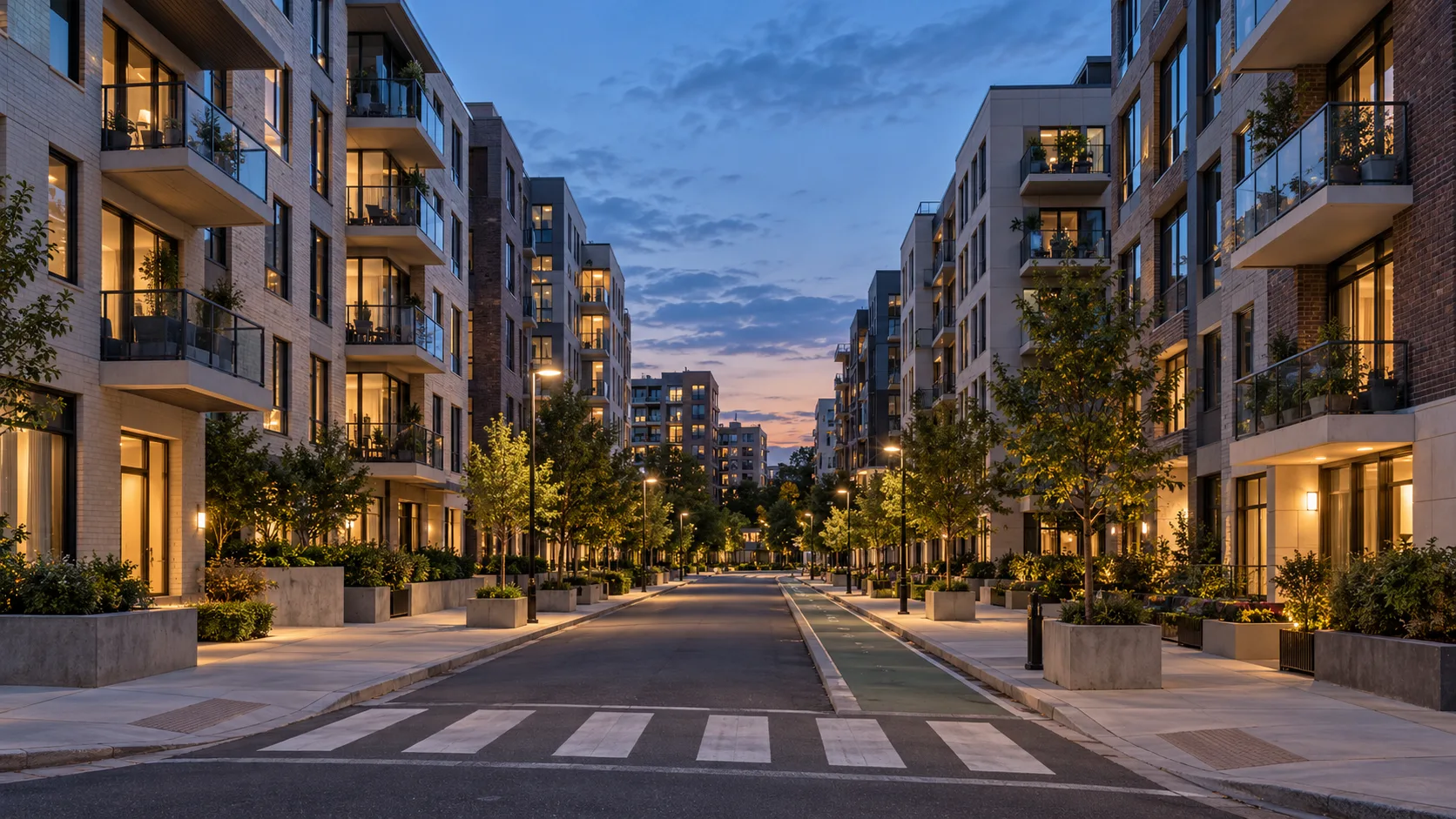
Midtown Atlanta is one of metro Atlanta’s most in-demand neighborhoods for homebuyers and investors. The area combines walkability, cultural amenities and consistent property appreciation. Midtown condo prices run from about $250K in older buildings to $1M and above for luxury penthouses, with the median between $375K and $450K in early 2026. The rare single-family homes and townhomes run $600K to $1.5M and above. The neighborhood’s central location and urban lifestyle are what draw buyers to it.
Midtown Atlanta Real Estate Facts 2026
- Midtown Atlanta median condo price is approximately $375K to $450K in early 2026
- Single-family homes and townhomes in Midtown are rare and run $600K to $1.5M+
- The neighborhood offers the highest walkability score in metro Atlanta
- Midtown is home to the High Museum, Fox Theatre, and Piedmont Park
- Properties within walking distance of MARTA stations command 15 to 20 percent premiums
- Midtown real estate has appreciated 6 to 8 percent annually over the past decade
- The area has over 30 million square feet of office space attracting employment
- New luxury high-rise developments continue to reshape the skyline
- Restaurant and entertainment options exceed 200 establishments within the neighborhood
- HOA fees for Midtown condos range from $400 to $800 monthly
If you’re considering buying or investing in Atlanta real estate, Midtown consistently ranks as one of the most sought-after neighborhoods in the metro area. But what exactly makes it so desirable, and where does it fall short?
Whether you want a car-free lifestyle, are downsizing from a larger suburban home, or are looking at rental demand as an investor, understanding what drives Midtown’s appeal and its limitations will help you make a smart buying decision.
Here’s everything you need to know about Midtown Atlanta real estate in 2026.
Current Midtown Atlanta Market Snapshot (January 2026)
Market Overview:
- Median condo price: $375K-$450K (varies significantly by building and unit features)
- Price range: $250K (older buildings, studios/1BR) to $1M+ (luxury penthouses)
- Average days on market: 30-50 days (competitive, but slower than 2021-2022)
- Inventory levels: Moderate and increasing compared to peak seller’s market
- Buyer demand: Strong for well-priced units in quality buildings
- Rental market: Consistently high demand; vacancy rates typically under 5%
Market Type: Moderate seller’s market with increasing buyer negotiation power
[Source: Atlanta MLS, Georgia MLS, January 2026]
What this means:
Midtown’s real estate market remains competitive, though conditions have moderated from the extreme seller’s market of 2021-2022. Inventory has increased slightly, giving buyers more options and negotiating room. However, well-priced units in desirable buildings still move quickly, often receiving multiple offers within the first two weeks.
Why Midtown Atlanta Real Estate Is So Desirable
1. Location and Connectivity (The #1 Midtown Advantage)
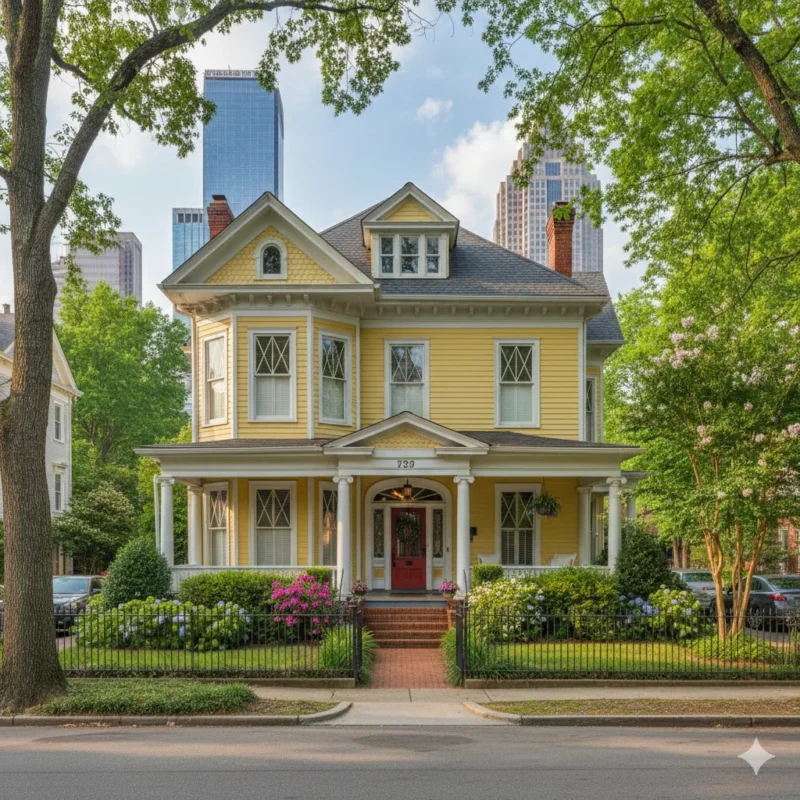
Midtown sits at the geographic heart of Atlanta, bounded by downtown to the south and Buckhead to the north. This central location gives residents quick access to major employment centers, entertainment venues, and cultural institutions.
Transit Access:
- Three MARTA stations: Midtown, North Avenue, and Arts Center stations provide direct rail access
- Airport access: 25-30 minutes to Hartsfield-Jackson by MARTA
- Downtown commute: 5-10 minutes by rail
- Buckhead commute: 10-15 minutes by rail or car
- Car-free living: Truly feasible for many residents
Highway Access:
- Direct connection to I-75/I-85 for those who drive
- Easy routes to all Metro Atlanta areas
What this means for buyers:
Midtown’s connectivity reduces or eliminates car dependency. Many residents walk to work, take MARTA, bike the Beltline, or use rideshare/Uber for occasional trips. This saves thousands annually in car payments, insurance, parking, and gas.
2. Walkability (One of Atlanta’s Highest Walk Scores)
Midtown consistently scores 85+ out of 100 on Walk Score, among the highest in Metro Atlanta.
What’s Walkable from Midtown:
- Groceries: Whole Foods on Ponce de Leon, Publix at 10th & Piedmont
- Dining: 100+ restaurants, cafes, and bars within walking distance
- Shopping: Retail along Peachtree Street, Ponce City Market nearby
- Fitness: Multiple gyms, yoga studios, and fitness centers
- Entertainment: Theaters, museums, bars, clubs, live music venues
- Parks: Piedmont Park (200+ acres), Beltline Eastside Trail
Piedmont Park Access: Midtown’s eastern edge borders Piedmont Park, Atlanta’s premier urban greenspace offering 200+ acres of trails, sports fields, dog parks, farmers markets, and festivals. Living within a 5-10 minute walk to Piedmont Park is a major lifestyle upgrade for many buyers.
Beltline Access: The Beltline Eastside Trail runs through or adjacent to Midtown, connecting residents to broader trail networks, Ponce City Market, Old Fourth Ward, and future trail expansions.
What this means for buyers:
If you prioritize walkability and want to minimize car dependency, Midtown offers one of the few truly walkable lifestyles in Metro Atlanta. That appeals particularly to anyone who wants to spend less time in Atlanta traffic.
3. Arts, Culture, and Entertainment (Atlanta’s “Heart of the Arts”)
Midtown earned its nickname as Atlanta’s “Heart of the Arts” for good reason.
Major Cultural Institutions:
- High Museum of Art: Leading art museum in the Southeast
- Alliance Theatre: Tony Award-winning regional theater
- Fox Theatre: Historic landmark hosting Broadway tours and concerts
- Atlanta Symphony Orchestra: Based at Symphony Hall
- Woodruff Arts Center: Umbrella organization for multiple arts venues
Dining and Nightlife:
- Fine dining: Multiple upscale restaurants (Ecco, South City Kitchen, etc.)
- Casual dining: Dozens of neighborhood spots and ethnic cuisine
- Craft cocktail bars: Thriving cocktail scene
- Late-night options: One of Atlanta’s best areas for late dining/entertainment
Events and Festivals:
- Atlanta Pride Festival (largest in Southeast)
- Screen on the Green (outdoor movies in Piedmont Park)
- Music Midtown (when active)
- Farmers markets and art markets
What this means for buyers:
If arts, culture, dining, and nightlife are priorities, Midtown offers the highest concentration of options in Metro Atlanta. You won’t need to drive across town for entertainment, it’s all within a 10-minute walk.
4. Strong Job Market and Corporate Presence
Midtown functions as a major employment hub with corporate offices, tech companies, nonprofits, and healthcare facilities.
Major Employers in or Near Midtown:
- Georgia Tech (adjacent to western Midtown)
- Numerous corporate headquarters (AT&T Southeast, Coca-Cola offices nearby)
- Tech companies and startups (Tech Square area)
- Nonprofits and foundations
- Healthcare facilities
What this means for buyers:
Many buyers specifically seek homes within walking or short commuting distance of Midtown offices, reducing the need to own multiple vehicles or spend hours in traffic. The employment density supports residential real estate values, when jobs are nearby, housing demand remains strong.
Real Example: I recently worked with a relocating tech professional who wanted to walk to work at Georgia Tech. We found a 2BR/2BA condo in Home Park (adjacent to Midtown) for $425K. His commute went from 45 minutes in his previous city to a 12-minute walk. He sold his second car and saves $8,000+ annually in car payments, insurance, and parking.
5. Diverse Housing Options for Different Budgets
Midtown’s real estate landscape includes high-rise condos, mid-rise buildings, historic townhomes, and small-scale apartment conversions. If the towers are what you are focused on, I go building by building in my guide to Midtown luxury condos for buyers who want a short commute.
Housing Options Breakdown:
Luxury High-Rise Towers ($500K-$1M+):
- One Museum Place, The Charles, 1010 Midtown, Viewpoint Midtown
- Resort-style amenities: rooftop pools, concierge, fitness centers, dog parks
- Premium finishes: high-end appliances, floor-to-ceiling windows, hardwood floors
- HOA fees: $500-$1,000+/month (includes amenities and building services)
Mid-Range Condos ($300K-$500K):
- Spire, Plaza Midtown, Metropolis, Element
- Good amenities: pools, fitness centers, parking
- Quality finishes: granite counters, stainless appliances
- HOA fees: $350-$600/month
Affordable Entry Points ($250K-$350K):
- Older buildings: smaller units, fewer amenities, dated finishes
- Historic conversions: character but higher maintenance
- Studios and 1BR units in any building tier
- HOA fees: $250-$450/month
Rare Single-Family/Townhomes ($600K-$1.5M+):
- Very limited inventory
- Historic townhomes with character
- Modern new-construction townhomes (rare)
What this means for buyers:
Midtown offers entry points from $250K to over $1M, allowing buyers at different budget levels to access the neighborhood. However, building quality, amenities, and HOA financial health vary dramatically, working with an experienced agent who knows Midtown buildings is critical.
6. Investment Potential and Strong Rental Demand
Midtown real estate appeals strongly to investors for several reasons:
Why Investors Love Midtown:
- Consistent rental demand: Georgia Tech students, corporate relocations, and people who work in Midtown and downtown
- Low vacancy rates: Typically under 5% in quality buildings
- Rental rates: $1,500-$3,500/month depending on unit size and building
- Appreciation potential: Central location and ongoing development support long-term value
- Tenant pool: Drawn largely from nearby employers, universities and hospitals
Rental Yield Considerations:
- Cash flow: Some buildings cash flow positive; others require negative monthly carry
- Appreciation focus: Many investors buy for appreciation rather than immediate cash flow
- Short-term rentals: Most buildings prohibit or heavily restrict Airbnb/VRBO, check HOA rules carefully
What this means for buyers:
If you’re considering investment property, Midtown offers strong fundamentals: high demand, low vacancy, and resilient values. However, not all buildings allow rentals, and HOA rules vary. I help investors evaluate properties based on rental potential, HOA restrictions, cash flow projections, and building financial health.
7. Development Activity Signals Continued Growth
Midtown continues evolving with new residential towers, office buildings, and retail projects.
Recent and Ongoing Development:
- Multiple high-rise residential towers completed in past 5 years
- New office space attracting corporate relocations
- Retail and restaurant expansion along Peachtree Street
- Infrastructure improvements (streetscapes, parks, transit)
Master Plan Emphasizes:
- Pedestrian-friendly streetscapes
- Expanded parks and greenspace
- Improved transit connections
- Mixed-use density
What this means for buyers:
Development signals strong market fundamentals and long-term neighborhood vitality. Some buyers worry about ongoing construction, but development typically supports property values by enhancing livability and appeal. However, specific projects near your potential property should be evaluated for construction impact (noise, views, traffic).
Midtown Atlanta Real Estate: What You Need to Know Before Buying
Condo-Specific Considerations
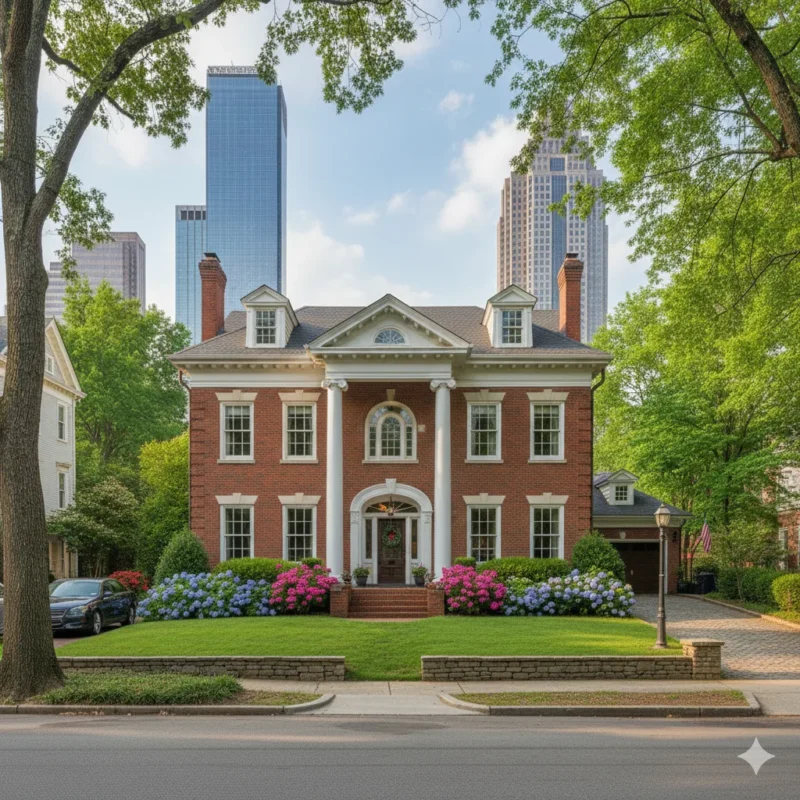
Buying a condo in Midtown requires understanding factors beyond the unit itself, and I cover the mechanics in more depth in what to know before buying a condo in Midtown or Buckhead and the difference between a warrantable and non-warrantable condo:
HOA Financial Health:
- Review HOA reserves (should be 10-25% of annual budget)
- Check for special assessments (unexpected fees for major repairs)
- Review budget and financial statements (your agent or attorney should help)
Building Management Quality:
- Well-managed buildings maintain value better
- Check online reviews from residents
- Ask about recent issues or complaints
Rental Restrictions:
- Many buildings limit rentals (maximum % of building, minimum lease terms)
- Some prohibit short-term rentals entirely
- If investing, verify rental rules BEFORE buying
Parking Arrangements:
- Deeded parking vs. assigned parking vs. first-come
- Guest parking availability
- Additional parking costs
Pet Policies:
- Size/breed restrictions vary by building
- Some buildings charge pet fees or deposits
Amenities and Fees:
- Higher HOA fees usually mean better amenities and services
- Evaluate if you’ll actually use amenities (pool, gym, concierge)
Price Ranges by Unit Type (January 2026)
Studios:
- Older buildings: $200K-$280K
- Newer buildings: $280K-$380K
1-Bedroom:
- Older buildings: $250K-$350K
- Newer buildings: $350K-$500K
2-Bedroom:
- Older buildings: $350K-$500K
- Newer buildings: $500K-$750K
3-Bedroom (Rare):
- Newer luxury buildings: $700K-$1M+
Penthouses/Luxury Units:
- Premium views, finishes, amenities: $1M-$2M+
Note: Prices vary significantly by floor level, views (Piedmont Park views command premiums), finishes, building amenities, and parking.
What Midtown Does Well, and Where It Falls Short
Where Midtown Is Strongest
Walkability and short commutes, including car-free and car-lite living with MARTA and Beltline access
Rental demand and appreciation for investors
Arts and culture: museums, theaters, dining
Convenience over space: smaller units, urban density
Proximity to Midtown employers: walk or short commute to work
Maintenance-free living: the condo building handles exterior maintenance
Where Midtown Falls Short
Large living spaces or yards: Midtown condos are typically 600-1,500 sq ft
A specific public school attendance zone: confirm zoning by address with Atlanta Public Schools before relying on it
Quiet, low-density residential streets: Midtown is urban and dense
Detached single-family homes: very limited inventory in Midtown
Maximum affordability: Midtown is pricier than many Metro Atlanta areas
No HOA fees: all Midtown condos have HOAs ($250-$1,000+/month)
Multiple parking spaces: most condos include one space, and additional parking is expensive
If a school district is the deciding factor in your search, say so early and we will work from the district boundary outward rather than from the neighborhood in. City of Decatur, East Cobb and North Fulton are all areas I work in regularly. Attendance zones in every one of them are set by address and change from time to time, so confirm the current zoning for any specific address with the district before you decide on it.
Common Midtown Buyer Questions
“What about schools?”
Midtown is zoned to Atlanta Public Schools. Attendance zones are set by address and change from time to time, so confirm the current zoning for any specific unit with the district rather than relying on a neighborhood-level description.
School options in and around Midtown:
- Several private schools in or near Midtown, including Westminster and Pace Academy
- Atlanta Public Schools zoning, which is set by address rather than by neighborhood
- Adjacent neighborhoods such as Morningside and Virginia-Highland sit in different Atlanta Public Schools attendance areas
Reality: Midtown’s housing stock is weighted toward condos of 600 to 1,500 square feet, and that is the practical constraint most buyers end up weighing. If a specific district is the deciding factor, we start from the district boundary rather than the neighborhood.
“How much are HOA fees, and what do they cover?”
HOA fees in Midtown range from $250-$1,000+/month depending on building and amenities.
What HOA fees typically cover:
- Building insurance (exterior and common areas)
- Water/sewer/trash
- Amenities (pool, fitness center, concierge, parking deck)
- Building maintenance and repairs
- Landscaping and common area upkeep
- Reserves for future major repairs
What you still pay:
- Your individual unit insurance (HO6 policy)
- Electricity and gas
- Internet/cable (sometimes included in luxury buildings)
- Property taxes
Evaluation tip: Don’t just look at monthly fee amount, evaluate what’s included and the building’s financial health. A $600/month HOA with strong reserves is better than a $400/month HOA with deferred maintenance.
“Can I rent out my Midtown condo?”
It depends on the building. Many Midtown buildings allow rentals but with restrictions:
Common rental restrictions:
- Minimum lease terms (6 months or 12 months)
- Maximum % of building that can be rented (often 25-35%)
- No short-term rentals (Airbnb/VRBO typically prohibited)
- Owner must approve tenant applications
Before buying for investment: Verify rental rules with HOA documents. Some buildings prohibit rentals entirely or have long waitlists.
“Is parking included?”
Most Midtown condos include one parking space with the unit (either deeded or assigned). Additional spaces are typically available for purchase ($25K-$75K) or rent ($100-$200/month).
Guest parking: Varies by building, some offer ample guest parking, others are very limited.
Street parking: Very limited and often metered.
Midtown vs. Other Atlanta Neighborhoods
Midtown vs. Buckhead:
- Midtown: More walkable, better transit, denser housing stock, lower price points
- Buckhead: More luxury focus, slightly quieter, larger lots, higher price points
Midtown vs. Virginia-Highland:
- Midtown: High-rise condos, urban density, transit access, diverse dining
- Virginia-Highland: Single-family homes, neighborhood feel, walkable to shops, more expensive per sq ft
Midtown vs. Old Fourth Ward:
- Midtown: More established, better transit, more amenities, slightly pricier
- Old Fourth Ward: More emerging, Beltline-centric, newer construction in places
Midtown vs. Decatur:
- Midtown: Urban high-rise living, transit-focused, arts and culture hub
- Decatur: Suburban feel, City Schools of Decatur district, small-town vibe, single-family homes
What I Tell Buyers Who Are Deciding Between Midtown and Other Intown Neighborhoods
Every buyer I work with is different, but there are patterns I see over and over. The ones who are happiest in Midtown are buyers who want walkability above almost everything else. They would rather have less square footage and be able to walk to dinner, coffee and work than have a bigger house they have to drive to enjoy. They value their time, and they like the idea of building equity in a place they will actually use every day.
Where I see buyers hesitate the most is when they’re comparing Midtown to something like Virginia-Highland or Old Fourth Ward. Those areas give you more of an intown house feel, a little more space, a yard in some cases, a quieter residential vibe, while still being close to the city. The trade-off is usually price per square foot and walkability. Midtown is the better pick if walkability and city access are non-negotiable. The other two make more sense if having a house with a driveway matters to you.
Action Steps: How to Buy Smart in Midtown Atlanta
Step 1: Define Your Priorities
- Walkability vs. space vs. price vs. amenities: what matters most?
- Are you owner-occupant or investor?
- Car-free living or need parking?
Step 2: Get Pre-Approved
- Condo financing can be stricter than single-family
- Lenders will review HOA documents and building financials
- Have 3-6 months reserves for condo ownership
Step 3: Research Buildings
- Not all Midtown buildings are equal
- Check online reviews, talk to residents, visit buildings
- Review HOA financials and minutes
Step 4: Work with a Midtown Expert
- Building-specific knowledge is critical
- Understanding HOA rules, financials, and rental restrictions
- Negotiation strategies for condo purchases
Step 5: Inspect Thoroughly
- Condo inspections focus on unit-specific items
- Review HOA reserve study for building-wide issues
- Check for water damage, HVAC, plumbing
Frequently Asked Questions
Midtown condos range from $300-$600+ per square foot depending on building, floor level, views, and finishes. Luxury buildings command $500-$700+/sq ft, while older buildings average $300-$400/sq ft.
Some Midtown buildings are FHA-approved, but many are not. FHA has strict requirements for condo certification. Conventional financing is more common for Midtown condos.
Moderately competitive as of January 2026. Well-priced units in desirable buildings still receive multiple offers, but buyers have more negotiation room than in 2021-2022. Expect 30-50 days on market for most listings.
Buildings that allow rentals, have strong rental demand, lower HOA fees, and are well-located near MARTA or Piedmont Park. Popular investor buildings include Spire, Plaza Midtown, and Metropolis. Always verify current rental rules before buying.
Historically, yes. Midtown’s central location, walkability, and job access support long-term appreciation. However, condo appreciation can lag single-family homes, and building-specific factors (management, deferred maintenance) affect individual property values. Well-maintained buildings in prime locations appreciate most consistently.
If you’re staying 3-5+ years, financially ready, and love urban living, buying makes sense. If you’re uncertain about Atlanta long-term or testing the neighborhood, rent first. Buying lets you build equity and lock in housing costs; renting gives flexibility.
Midtown inventory is fairly consistent year-round. Spring (March-May) sees highest activity, but you’ll face more competition. Fall/winter often offers better negotiation opportunities with less buyer competition.
What to Weigh Before You Buy in Midtown
Buying in Midtown requires understanding building-specific factors like HOA financial health, rental restrictions, parking arrangements, and building management quality. Condo purchases involve more complexity than single-family homes, but with the right guidance, you can find a property that fits your lifestyle and investment goals.
Whether you’re relocating to Atlanta, downsizing from a suburban home, or investing in rental property, I bring extensive experience helping buyers navigate Midtown’s market. My background supporting clients through major life transitions, combined with deep knowledge of intown Atlanta neighborhoods, means you’ll get straightforward guidance without sales pressure.
Keep reading
Written by
Kristen D. Johnson, REALTOR
Metro Atlanta, intown and out. Grew up in East Point, lives in Edgewood, and has worked both sides of the perimeter long enough to know where the map lies to you.
Work with Kristen Johnson Real EstateThinking about a move in Metro Atlanta?
Tell me what you are weighing up and I will tell you what I would do, in plain terms, before you commit to anything.