Atlanta neighborhood guide
Inman Park Atlanta Neighborhood Guide: Atlanta’s First Planned Suburb
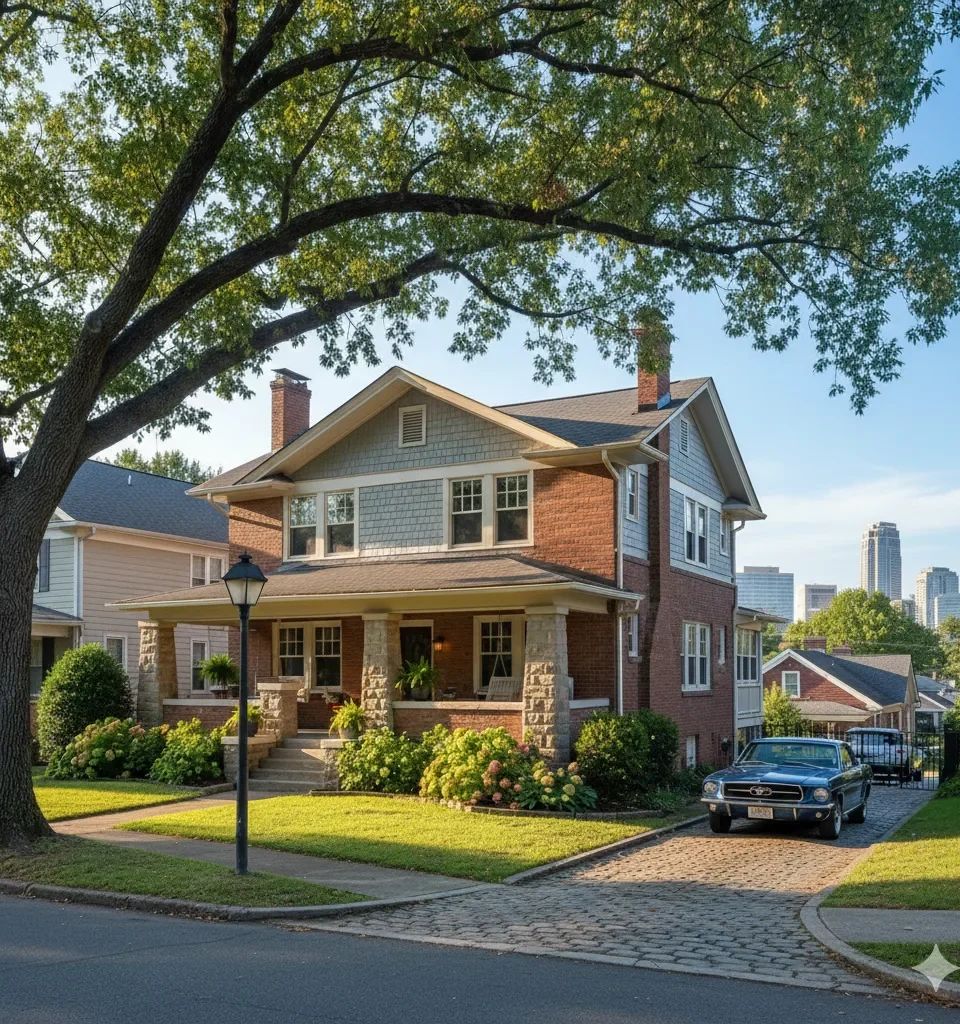
Inman Park is an intown Atlanta neighborhood developed from 1889 as the city’s first planned suburb. Buyers usually arrive for the Victorian and Craftsman housing stock, direct BeltLine Eastside Trail access and a walkable street grid. This guide covers what the neighborhood is actually like, why public price data on it is unreliable, and how it compares with the intown neighborhoods around it.
Come as you are. Come on home.
By the numbers
Inman Park at a glance.
The parts that do not change. Current prices, inventory and pace are tracked separately, and the route to them is further down.
Housing stock
What is actually here and how it differs.
The housing is the reason most buyers look here and the reason a single price figure does not describe it.
Victorian and Craftsman houses
Many are original and some have been thoughtfully updated. Renovation quality varies enormously from house to house, and that variation drives price more than street address does.
Small attached developments
Condominiums and townhomes trade here in smaller numbers alongside the detached stock. They are a different product with different land, structure and carrying costs, and should be compared against each other rather than against a neighborhood figure drawn from detached houses.
Historic district rules
The district designation protects the character of the neighborhood, which is part of what buyers are paying for. It also constrains exterior work. Confirm what applies to a specific address before you budget a renovation.
Condition is the variable
Two houses of the same era and size on the same block can sit far apart on price depending on what has been done to them and how well. This is the single most common reason a published estimate misses here.
What homes cost
Pricing here is not one number.
Prices, inventory and pace change constantly, so the current figures are tracked in the market reporting rather than written into this guide. What belongs on this page is the part that does not expire: why a single Inman Park number usually misleads, and what to compare instead.
The numbers change. This guide is not the place that tries to keep up with them.
Current Inman Park prices, inventory and sales pace are tracked separately from this guide, so the figures you see are dated and sourced rather than quietly aging inside page copy. The neighborhood guide covers what stays true about Inman Park. The market reporting covers what is true right now.
How pricing works here
Three things that stay true whatever the market is doing.
These are the reasons a headline Inman Park figure, wherever you find it, usually does not describe the house in front of you.
Automated estimates struggle with this housing stock
Period houses of varying condition are exactly the case automated valuation models handle worst. They lean on square footage and recent nearby sales, and here the spread inside those inputs is enormous. An estimate on an Inman Park Victorian should be treated as a starting question rather than an answer.
Not every sale reaches the public record
Off market transactions happen here, particularly in the tighter price bands. Any figure built only from public MLS records is built from an incomplete sample, and the gap is larger in a small neighborhood than in a large one.
Size differences move price more than they look like they should
A few hundred square feet of difference between two otherwise comparable houses on the same block can move the price materially. Comparable selection has to match on size and condition first, then on distance.
Buyer assumptions
What buyers get wrong about Inman Park.
Four things that cost people money here, in the order I see them come up.
Assuming all the Victorians are equal
They are not. Renovation quality varies enormously, and the difference between a careful restoration and a cosmetic flip is not visible in a listing photo or an online estimate.
Underestimating parking
Many streets are street parking only. If you have two cars, or you host, work out the parking situation for a specific address before you fall in love with the house.
Not checking flood zones
Portions of the neighborhood near the creek carry insurance implications. This is address specific and worth checking early, because it affects both cost and financing.
Ignoring the interstate
Proximity to I-20 matters more than distance on a map suggests. Stand on the street at different times of day before you decide how much it matters to you.
Inman Park does not need to be explained to people who have lived there. For everyone else, there is nothing quite like it in Atlanta, and that is exactly why the housing stock rewards someone who has actually been inside these houses.
Kristen Johnson · REALTOR® · Edgewood resident since 2016
Getting around
Trails, transit and what is walkable.
Objective access, with the things worth mapping from a specific address rather than from the neighborhood as a whole.
The Atlanta BeltLine Eastside Trail. Inman Park has one of the more direct connections to the trail of any intown neighborhood. Walking distance still varies by block, so map the route from any home you are considering.
Krog Street Market. A food hall and retail market inside the neighborhood, a short walk for much of it. Walking time varies by block.
Little Five Points, Ponce City Market and downtown. All within a short drive or a longer walk, which is part of why buyers who want to drive less look here.
The Inman Park Festival. An annual neighborhood festival with a parade and a tour of homes, run by the neighborhood association. Dates change each year, so check the current schedule before planning around it.
Schools
Which schools serve Inman Park.
Assignment is by address, assignments change, and a real estate website is not the authority on either.
Atlanta Public Schools. Inman Park sits inside the City of Atlanta and is served by Atlanta Public Schools. Mary Lin Elementary and Midtown High School are the zoned schools for much of the neighborhood.
Verify by address. Attendance zones change, and boundary lines do not follow neighborhood lines. Confirm the current assignment for any specific address with the district directly rather than relying on this page or any listing site.
Statewide data. The Governor’s Office of Student Achievement publishes school level report cards if you want the underlying data rather than a summary.
Comparisons
How Inman Park compares to the neighborhoods around it.
The most common next question. Each of these has its own guide, because each owns its own search intent and answers a different set of questions.
Edgewood
East, past Moreland
A different and generally later housing stock at a different price point, with its own MARTA station. The two are often compared by buyers weighing character against cost.
Kirkwood
East, beyond Edgewood
Larger, with its own commercial corridor and a mix of preserved, renovated and new construction. A frequent alternative for buyers who want a porch and a yard.
Old Fourth Ward
West, toward downtown
More condominium and loft inventory, closer to downtown, and on the busiest stretch of the BeltLine.
East Atlanta Village
South, across I-20
A denser commercial village core and a different price profile.
If you love Inman Park, three alternatives compared on price and housing →
Home search
Search homes in Inman Park.
Search is handled in one place across Metro Atlanta, so the filters, saved searches and listing detail all behave the same wherever you look.
Ask about Inman Park
What do you want to know about living here?
Not a general contact form. Ask the specific thing you cannot find out from a listing photo, and I will answer it from the neighborhood rather than from a search portal.
Your details are used to answer your question. No automated sales sequence.
For sellers
Own a home in Inman Park?
Inman Park is small enough that your competition is specific rather than abstract, and varied enough that a neighborhood average will not describe your house.
What I can tell you
What your specific block, era and condition have actually been doing, what is competing with you right now, and the pricing range that genuinely comparable recent sales support. Not a neighborhood average applied to your house.
What I need from you
Honest access to the house and honest answers about what has been done to it. Renovation history matters more here than almost anywhere else intown, and it is the part a buyer’s agent will test hardest.
Common questions
Inman Park Atlanta FAQ
Six questions buyers and sellers actually ask about this neighborhood.
Inman Park was developed from 1889 as Atlanta’s first planned suburb, and it is known for that origin and for what survives of it: Victorian and Craftsman houses on a walkable grid of tree lined streets, a historic district designation, direct access to the BeltLine Eastside Trail, Krog Street Market inside the neighborhood, and an annual neighborhood festival.
Three reasons. The housing stock varies enormously in condition, and automated estimates handle period houses of varying condition worst of all. Not every sale reaches the public record, so a figure built from MLS data alone is built from an incomplete sample. And detached houses, condominiums and townhomes all trade here without pricing alike, so any figure that mixes them describes none of them. Current Inman Park figures are tracked in the market reporting rather than written into this guide.
They are different products at different price points, and the honest comparison is specific rather than general. What the same budget buys in each depends on housing type, era and condition, not on the neighborhood name. The alternatives comparison works through that with real numbers, and the Edgewood and Kirkwood guides cover what each neighborhood actually contains.
Inman Park is served by Atlanta Public Schools, with Mary Lin Elementary and Midtown High School zoned for much of the neighborhood. Attendance zones change and do not follow neighborhood boundaries, so confirm the current assignment for a specific address with the district rather than with a listing site.
They exist and they tend to be one of three things: a condominium, a smaller townhome, or a detached house that needs work. That part of the market moves quickly, so the practical answer is to be financed and ready rather than to wait for a wider selection.
Buyers I work with in Inman Park typically spend several weeks actively searching before the right house appears, and a purchase contract to closing usually runs about thirty to forty five days. The search compresses when financing is already in place and expands when it is not.
You can ask me the condition question before you ask the price question.
Whether you are buying here, selling here, or working out whether Inman Park belongs on your list at all, the useful conversation usually starts with what you actually need from a house rather than with a number.