Atlanta Neighborhoods
East Cobb vs. Alpharetta: How to Choose in 2026
East Cobb and Alpharetta compared on commute, price per square foot, housing stock, and school assignment for 2026 buyers.
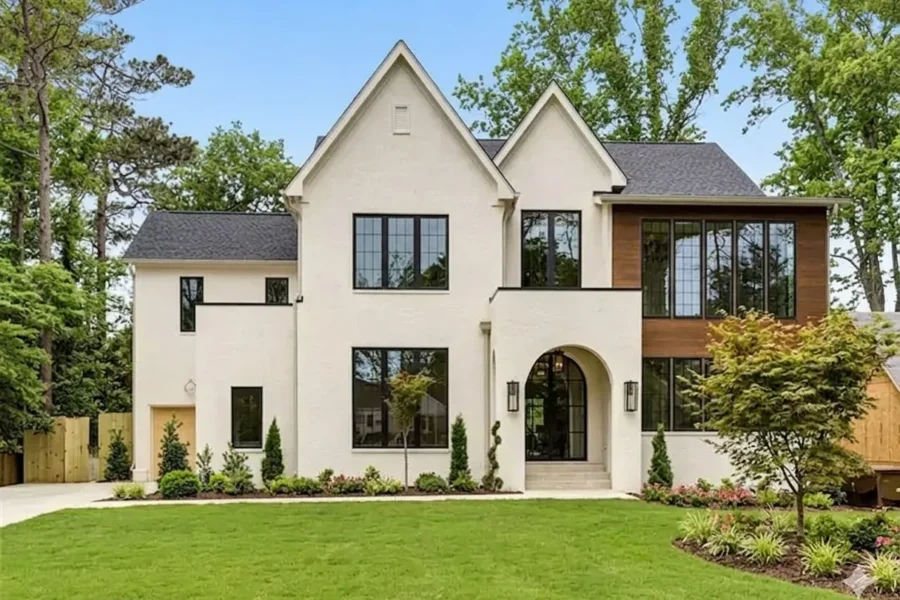
If you’re relocating to Metro Atlanta and you’ve done any real research, East Cobb and Alpharetta are almost certainly on your list. They’re the two suburbs that come up most often in my conversations with corporate relocation buyers, and for good reason. Both offer established public school districts, stable resale markets, and enough inventory variety to fit a $450K budget or a $2M one. The question isn’t whether either is a good place to live. It’s which one is the right fit for what you’re actually trying to do.
I work with buyers across Metro Atlanta, and I help clients run this comparison almost every week. The decision usually comes down to four or five specific factors, and most buyers arrive with assumptions that need to be corrected before they can make a good choice.
Nearly a decade of helping Atlanta buyers means I can tell you what the Zillow comparison and the generic relocation articles can’t: where the price gap actually comes from, what the commute really looks like on a Tuesday morning at 7:45, how the two school districts differ in structure, and where the two submarkets diverge on housing stock, lot size and price per square foot.
Here’s what you need to know.
What’s the Difference Between East Cobb and Alpharetta?
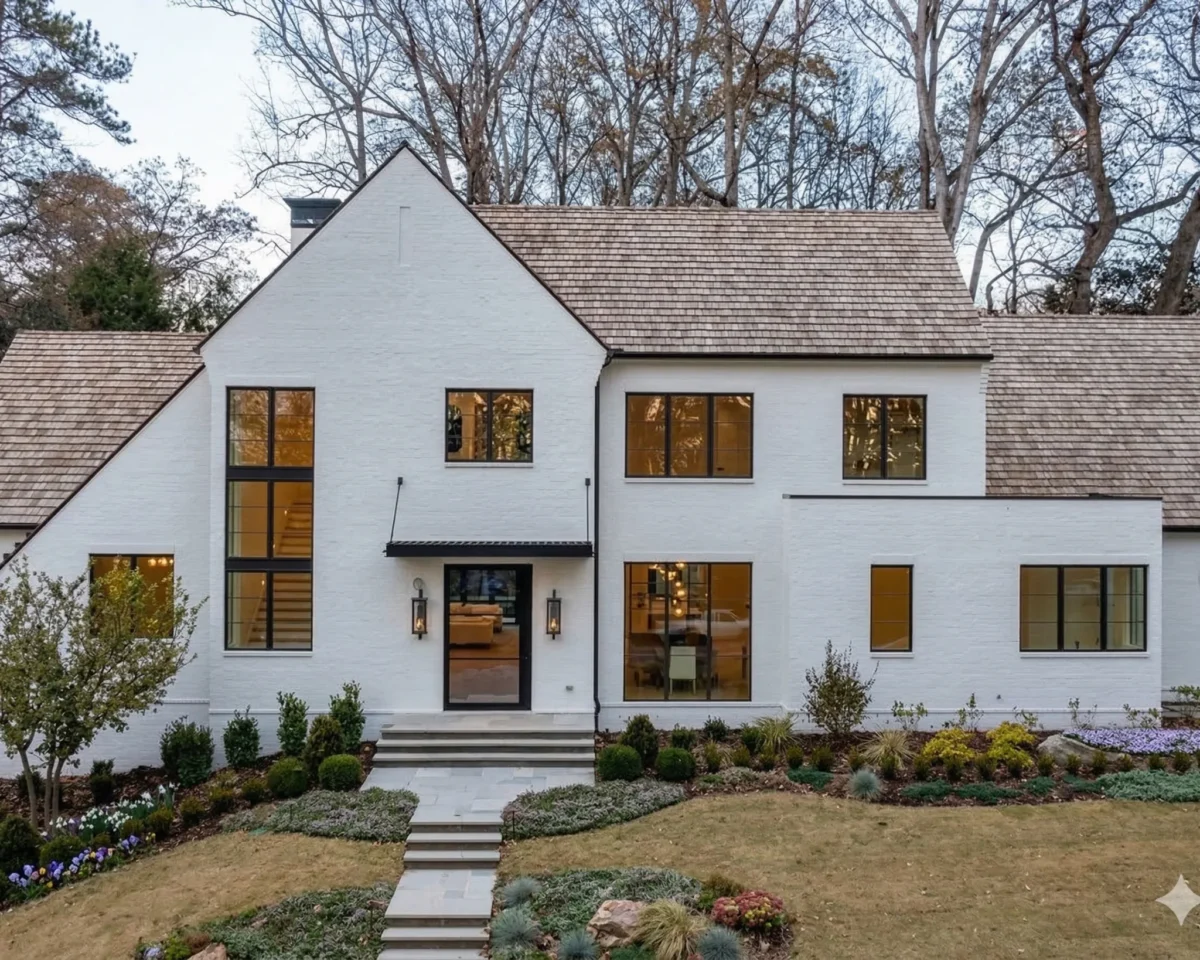
East Cobb is a large unincorporated community in Cobb County, sitting roughly 15 to 20 miles northwest of downtown Atlanta. It isn’t a city. It doesn’t have its own municipal government or its own police department. It’s a collection of neighborhoods spread across a big chunk of Cobb County, united by its school attendance zones (most notably the Walton, Pope, and Lassiter High School districts) and its proximity to the Chattahoochee River. Population is roughly 164,000 across the broader East Cobb area, depending on how you draw the boundary.
Alpharetta is a city. It has roughly 66,000 residents, a defined city limit, its own mayor and city council, its own police force, and a real downtown. It sits in North Fulton County, about 25 to 30 miles north of downtown Atlanta. Alpharetta is part of what locals call the GA-400 corridor, one of the most concentrated employment hubs in the Southeast outside of downtown and Midtown.
That structural difference matters more than most buyers expect. East Cobb’s identity is defined by its schools and its residential character. Alpharetta’s identity includes a major office market (Avalon, the Windward corridor, North Point), a walkable downtown (Main Street and the City Center), and a large regional entertainment district (Halcyon is technically Forsyth County but functionally part of the Alpharetta market). East Cobb is residential almost throughout, with no comparable downtown or office core. Alpharetta pairs its residential areas with a walkable downtown, an entertainment district, and a large local employment base.
East Cobb vs. Alpharetta: Home Prices in 2026
This is usually the first question buyers ask, and the answer is genuinely different depending on the submarket you’re comparing.
According to Redfin, the median sale price for the three months ending August 2026 was about $580,000 in ZIP 30062 and about $650,000 in ZIP 30068, the two ZIP codes that cover much of East Cobb. East Cobb runs higher than most of Cobb County because of the school zone premium and the housing stock. Starter homes in East Cobb begin in the high $200Ks for smaller ranches or older townhomes. New construction in communities like Toll Brothers at East Cobb Walk starts in the $600Ks. Walton-zone luxury estates can exceed $3M.
According to Redfin, Alpharetta’s median sale price was about $790,000 for the three months ending August 2026, with homes selling in a median of 37 days. Redfin’s Alpharetta figures follow Alpharetta mailing addresses, which reach into parts of Milton and Johns Creek. The city’s four ZIP codes (30004, 30005, 30009, and 30022) have meaningfully different price profiles, with 30022 (Johns Creek-adjacent) and parts of 30009 (downtown Alpharetta and Avalon-adjacent) running at the top.
Here’s the price comparison that matters most for relocation buyers:
| Metric | East Cobb | Alpharetta |
|---|---|---|
| Median sale price (3 months ending Aug 2026) | ~$580K to $650K (ZIPs 30062 and 30068) | ~$790K |
| Starter home range | High $200Ks to $400Ks | $450Ks to $600Ks |
| Mid-market range | $500K to $800K | $700K to $1.2M |
| Luxury range | $900K to $3M+ | $1.2M to $4M+ |
| Median price per sq ft | ~$213 to $231 | ~$260 |
| Days on market | about 34 days | about 37 days |
| New construction start | $600Ks | $650Ks to $700Ks |
Medians and days on market: Redfin, three months ending August 2026.
The practical takeaway: at the median, you’re generally paying about $140,000 to $210,000 more in Alpharetta than in East Cobb. The gap is structural and isn’t going away.
The medians and days on market above come from Redfin for the three months ending August 2026. Market data shifts quickly. Before you commit to a price range in either market, reach out and I’ll run current comps for the specific ZIP codes and school zones you’re considering.
Which Has Better Schools: East Cobb or Alpharetta?
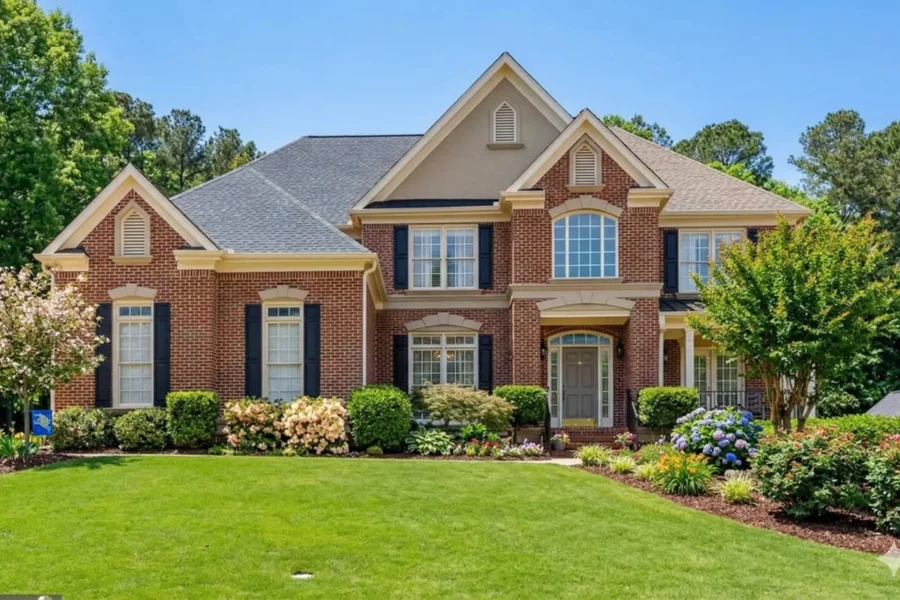
This is the question that derails the most buyer conversations, because buyers often come in with a preconception that one district is “better” than the other. The right district depends on the specific attendance zone you land in.
Here’s the factual picture.
East Cobb public high schools are part of the Cobb County School District. The three schools that drive residential demand are:
- Walton High School (1590 Bill Murdock Rd, Marietta). Enrollment around 2,685. AP participation rate in the 70% range.
- Lassiter High School (2601 Shallowford Rd, Marietta). 98% graduation rate.
- Pope High School (3001 Hembree Rd, Marietta). AP participation rate around 55 to 60%.
Wheeler High School, which serves parts of East Cobb, is the Cobb County International Baccalaureate magnet school and offers a distinct academic program.
Alpharetta-area public high schools are part of Fulton County Schools, primarily Learning Zone 7 (with portions of the city falling in Zones 5 and 6). The schools that drive residential demand include:
- Alpharetta High School. 96% graduation rate.
- Cambridge High School (Milton, serving portions of Alpharetta).
- Milton High School.
- Chattahoochee High School and Johns Creek High School serve portions of the Alpharetta area in Zone 6.
So what’s the actual difference? A few real structural distinctions:
District size and governance. Cobb County School District and Fulton County School District are both large, but they operate differently. Cobb historically has more centralized decision-making; Fulton uses a zone-based system with more variation by region.
School size. Walton has 2,685 students. Cambridge has 1,652. Both are large, but the Cobb schools on the East Cobb side tend to run bigger.
Feeder pattern clarity. East Cobb’s attendance zones have been relatively stable for years. Fulton has redrawn attendance boundaries more frequently, which is something relocation buyers should verify by specific property address rather than trusting a general neighborhood description.
Research and visit schools to determine fit for your family. Always verify zoning by specific property address, not by ZIP code or neighborhood name. School boundaries change, and a street on one side of a boundary line can be in a completely different attendance zone than a street one block away.
Commuting from East Cobb vs. Alpharetta: Honest Numbers
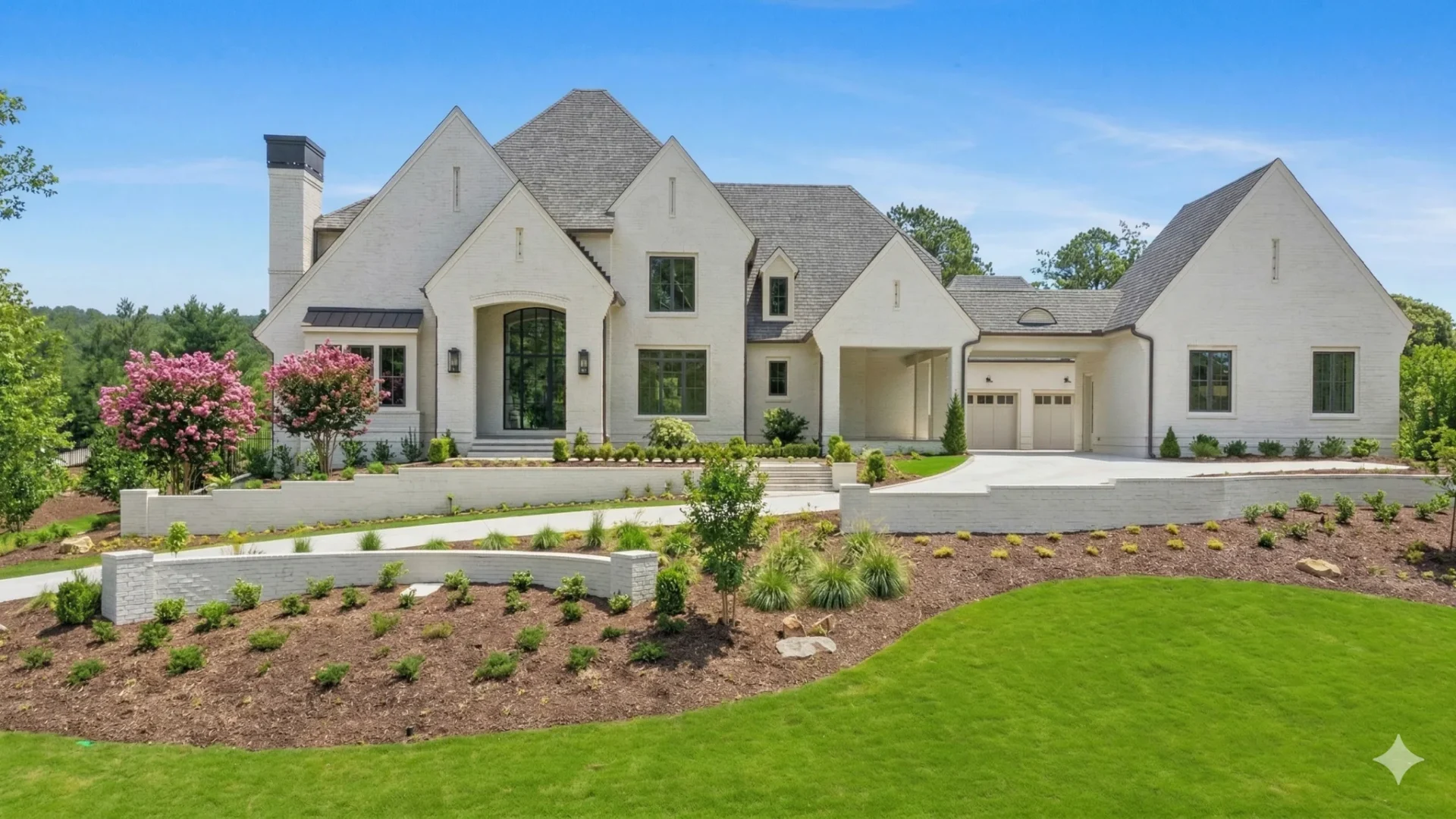
This is where buyers relocating from other cities get the most surprised. Atlanta traffic is not like any other major city’s traffic, and the commute numbers most out-of-town agents and relocation guides quote are Google Maps off-peak numbers. Those numbers are not accurate for 7:30 to 9:00 AM or 4:30 to 6:30 PM.
Here’s what the actual commute looks like from each city.
From East Cobb:
Downtown Atlanta: 20 to 25 minutes off-peak via I-75 South. During morning rush, expect 45 to 60 minutes, sometimes longer with an accident. I-75 is one of the most congested corridors in the Southeast.
Midtown: Similar to downtown, 25 to 30 minutes off-peak, 45 to 70 minutes at rush hour via I-75.
Perimeter Center / Dunwoody: 20 to 30 minutes off-peak via I-285, which is the primary cross-town route. Rush hour often runs 40 to 60 minutes.
Buckhead: 20 to 25 minutes off-peak via I-75 to GA-400 or via surface streets through Sandy Springs. Rush hour 35 to 50 minutes.
Hartsfield-Jackson International Airport: 35 to 45 minutes off-peak, 60 to 90 minutes during heavy traffic.
East Cobb’s commute advantage is that it has multiple surface-street alternatives to the highways, which matters a lot on days when I-75 or I-285 is locked up. Buyers who work in Vinings, the Battery, or the Cumberland/Galleria area have a meaningfully shorter commute than those working downtown.
From Alpharetta:
Downtown Atlanta: 30 to 35 minutes off-peak via GA-400 South to I-85 South. Morning rush runs 60 to 85 minutes consistently. GA-400 is notoriously congested from about McFarland Parkway southbound.
Midtown: Similar to downtown, 30 to 40 minutes off-peak, 60 to 80 minutes at rush hour.
Perimeter Center / Sandy Springs: 20 to 25 minutes off-peak via GA-400. Morning rush 35 to 55 minutes. This is Alpharetta’s shortest major commute and one of its biggest practical advantages, because Perimeter Center is a massive employment hub.
Buckhead: 25 to 30 minutes off-peak via GA-400. Rush hour 45 to 70 minutes.
Hartsfield-Jackson International Airport: 45 to 60 minutes off-peak, 75 minutes to 2 hours during heavy traffic.
Alpharetta’s commute advantage is that it has a significant local employment base. Tens of thousands of jobs are located within the city itself, which means many Alpharetta residents have a 10 to 15 minute commute rather than a 60 to 90 minute one. The North Point, Windward, and Avalon office corridors employ a significant share of the Alpharetta workforce.
The practical commute comparison. If you’re working downtown, East Cobb is measurably faster. If you’re working in Perimeter Center or in North Fulton itself, Alpharetta is dramatically faster. If your employer is in Buckhead or Midtown, the commute times are roughly comparable with East Cobb having a slight edge. Both cities offer MARTA park-and-ride access but neither has direct MARTA rail service, so the train is a partial solution at best.
Before you commit to either city, drive the commute at 7:45 AM on a Tuesday and again at 5:15 PM on a Thursday. Not Google Maps. Actually drive it.
What You Get for the Money in Each City

Price-per-dollar is one of the most practical ways to evaluate these two submarkets, because the housing stock differs in real ways.
$400K to $500K in East Cobb buys you a 3 to 4 bedroom ranch or split-level, typically 1,800 to 2,400 square feet, on a generous lot (often a quarter acre or larger), usually built in the 1970s or 1980s, often in need of some cosmetic updating but structurally sound. You’ll be in a swim/tennis community in a named subdivision. Neighborhoods like Indian Hills, Princeton Falls, or parts of the Walton attendance zone deliver this profile.
$400K to $500K in Alpharetta is harder to find. You’re looking at a smaller townhome, an older condo, or a 1980s ranch further from downtown Alpharetta and often in a different attendance zone from the one you expected. Single-family detached in this range is increasingly rare in the 30009 ZIP code.
$600K to $800K in East Cobb buys you a 4 to 5 bedroom traditional or transitional home, 2,800 to 3,800 square feet, typically on a flat to gently sloped lot, often with a partially finished basement. New construction at this price is limited but does exist (East Cobb Walk is one current example).
$600K to $800K in Alpharetta buys you a similar-size home, typically slightly newer (a lot of Alpharetta’s inventory is 1990s to 2010s construction), often in a more heavily amenitized community (swim/tennis plus clubhouse plus sometimes golf). Townhomes in Avalon-adjacent communities or in the Halcyon orbit also live in this range.
$900K to $1.3M in East Cobb buys you a large, well-appointed traditional or new construction home in a prime Walton zone, often 4,000 to 5,500 square feet, often on an acre-plus lot. This is solid upper-bracket territory with genuine inventory depth.
$900K to $1.3M in Alpharetta is the core upper-mid range. You’re looking at newer construction (often 2010s or 2020s), higher-end finishes, community amenities, and a lot of the homes in this range are in gated or master-planned communities. Real estate shopping at this price in Alpharetta feels like newer construction; at the same price in East Cobb it feels like more space and more land but often older construction.
$1.5M+ is where the two markets start to look similar in character, though Alpharetta has more inventory depth at the luxury tier because of newer construction in Milton (adjacent) and the high-end sections of 30004 and 30022. East Cobb’s luxury is concentrated in the deep Walton zone along the Chattahoochee River, with estates on large lots in neighborhoods like Atlanta Country Club.
Things to Do: Dining, Shopping, and Lifestyle
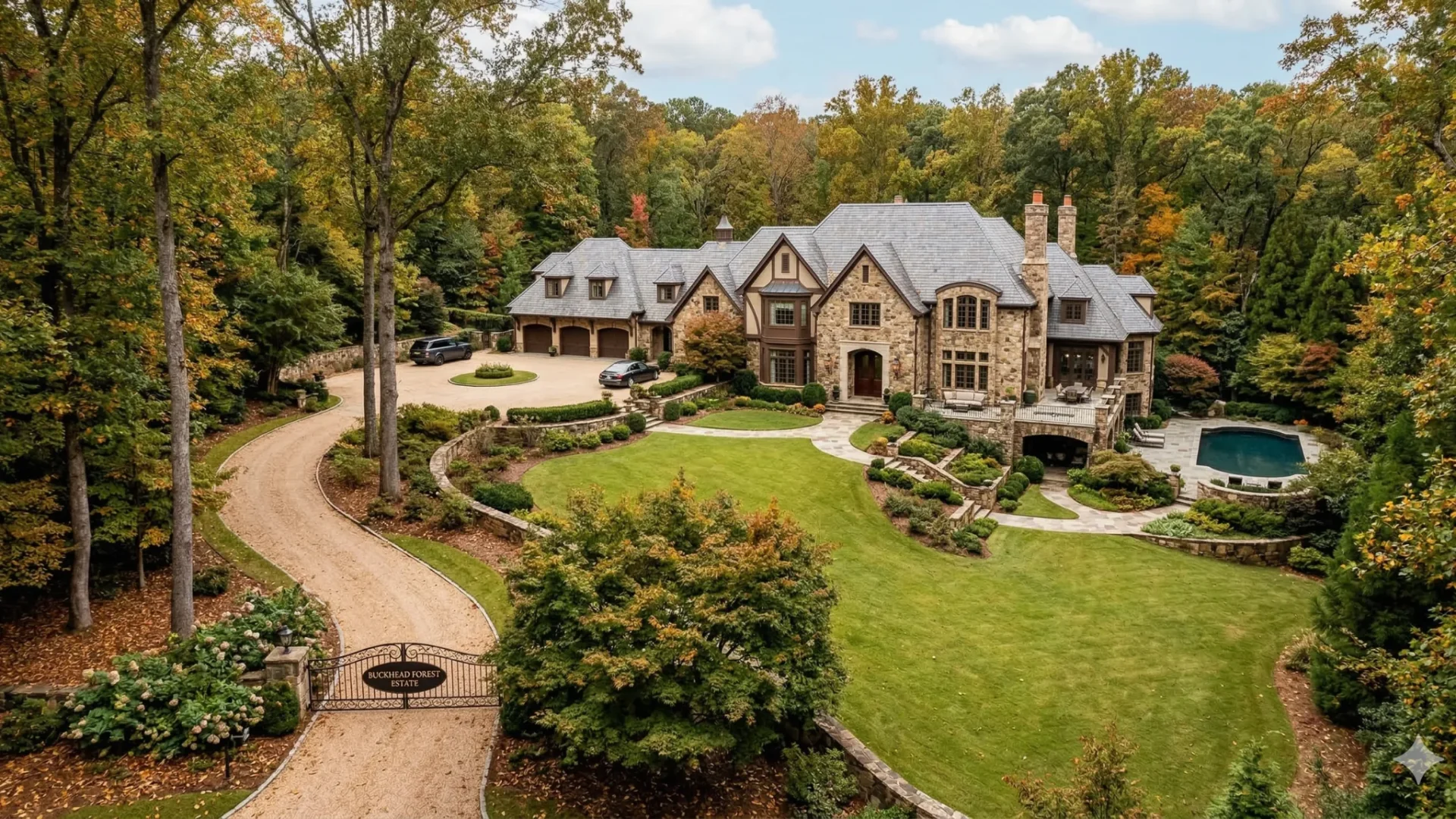
This is where the two cities feel the most different.
East Cobb’s lifestyle infrastructure is primarily residential. The Avenue East Cobb (Roswell Road) is the main shopping and dining hub with restaurants like Marlow’s Tavern, Chipotle, and a mix of national and local retailers. Merchants Walk is a smaller but well-regarded retail center. Papa John’s founder’s residence anchored the old Paper Mill Village, which is now seeing redevelopment. East Cobb Park, Sope Creek Park, and the Chattahoochee River National Recreation Area are the outdoor anchors. Indian Hills Country Club and Atlanta Country Club are the two main private clubs.
What East Cobb doesn’t have: a downtown. There’s no walkable main street, no concentration of independent restaurants, no nightlife district. Dining out in East Cobb usually means driving to a retail center. Some residents drive 10 to 15 minutes to Marietta Square or Vinings for a more downtown-style experience.
Alpharetta’s lifestyle infrastructure is substantial and genuinely distinct. The three anchors:
Avalon is a mixed-use development with high-end national retail (Lululemon, Warby Parker, Whole Foods), a strong restaurant lineup (Oak Steakhouse, Hop Alley Chop Shop, The Hampton Social), a movie theater, and residential condos. It functions as one of Metro Atlanta’s top suburban lifestyle destinations.
Downtown Alpharetta (Main Street and the City Center) has been extensively redeveloped over the past decade with local restaurants like South Main Kitchen, Smokejack BBQ, Inc. Street Food, and a growing bar and entertainment scene. The Alpharetta City Hall and the Alpharetta Arts Center are here.
Halcyon (technically in Forsyth County but functionally part of the Alpharetta market) is another mixed-use development with a similar retail and restaurant concentration.
Alpharetta also hosts Ameris Bank Amphitheatre, a major outdoor concert venue that brings national acts through the summer. The Big Creek Greenway runs about 9 miles through Alpharetta, with a separate section continuing north into Forsyth County, and it is a significant amenity for runners and cyclists.
The lifestyle difference, stated plainly. If you want to walk to dinner on a Friday night or take the kids out for dessert after a weekend activity without getting back in the car, Alpharetta delivers that. East Cobb does not. If you want quiet residential streets with parks and country club access and you’re comfortable driving to shopping and restaurants, East Cobb delivers that at a meaningfully lower price point.
East Cobb vs. Alpharetta: Taxes and Ongoing Cost of Ownership
The cost difference between these two cities isn’t just the home price. County property tax rates, HOA structures, and homeowner’s insurance all factor into total cost of ownership.
East Cobb (Cobb County) has historically had one of the lower millage rates in Metro Atlanta. Cobb County’s property tax burden is meaningfully lower than Fulton’s on an equivalent home value. The specific millage varies by unincorporated area vs. city (East Cobb is unincorporated, which helps here). Cobb residents also benefit from a homestead exemption structure that’s favorable compared to some neighboring counties.
Alpharetta (Fulton County) carries a higher property tax burden than Cobb, though still lower than some Metro Atlanta jurisdictions (notably Atlanta proper). Alpharetta residents pay county, city, and school district taxes. The city of Alpharetta’s tax rate is competitive compared to other Fulton municipalities, but the overall Fulton tax burden is still higher than Cobb’s.
The practical difference. On a $600,000 home, the annual property tax gap between East Cobb and Alpharetta can run $1,500 to $3,000 in Cobb’s favor, depending on the specific location and whether homestead exemption has been filed. Over 10 years of ownership, that’s a real number.
HOA fees vary widely in both cities. Alpharetta’s master-planned and gated communities generally carry higher HOA fees ($100 to $300+ per month) than East Cobb’s typical swim/tennis community ($500 to $800 per year). Avalon condos and some downtown Alpharetta buildings can carry HOAs of $400+ per month.
I’m not a tax advisor, and your specific tax situation depends on assessed value, exemptions filed, and how your property is classified. Run real numbers with a CPA and with the county tax assessor’s office before making a decision based on tax differences.
What East Cobb Offers
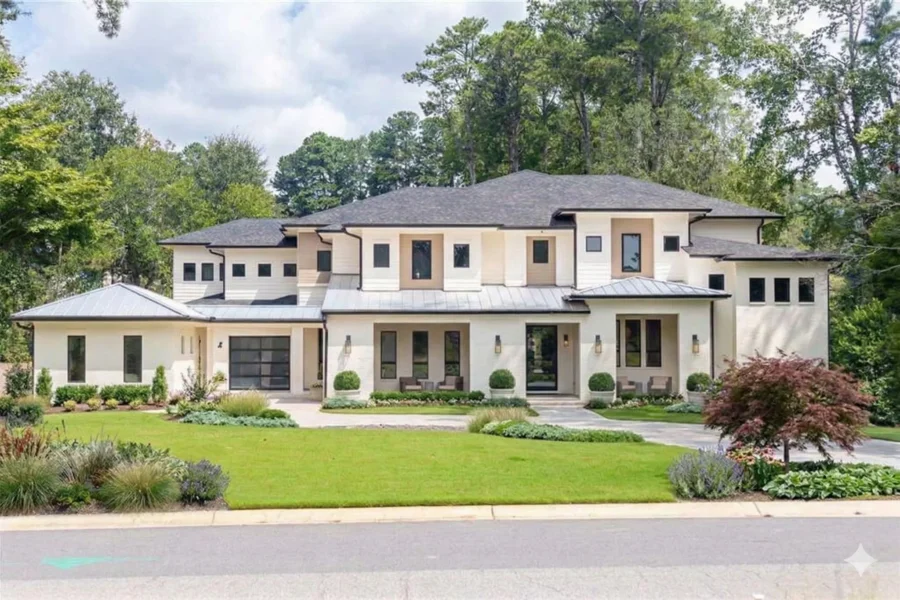
What East Cobb offers:
School assignment first, price second, lifestyle amenities third. The Walton, Pope, Lassiter trio is among the strongest school concentrations in Georgia, and you’re paying $140K to $210K less than you would for equivalent schools in Alpharetta.
A workplace in downtown Atlanta, Midtown, Vinings and Cumberland, or the Battery area. The commute from East Cobb to these employment centers is measurably shorter than from Alpharetta.
More house and more land for the money. East Cobb’s housing stock runs larger lots, more mature trees, and more square footage per dollar than Alpharetta at comparable price points.
Suburban residential quiet to walkable downtown energy. If you don’t mind driving to dinner and you value a neighborhood that feels like a neighborhood, East Cobb delivers that character consistently.
Lower property taxes. Cobb County’s tax structure is materially more favorable than Fulton’s for most home values.
Access to the Chattahoochee River corridor, a private country club scene (Indian Hills, Atlanta Country Club), and a well-established residential community without the price premium of Buckhead or Sandy Springs.
Tradeoffs to weigh in East Cobb:
Reliance on walkability, or a real downtown within a short drive. East Cobb doesn’t have one.
An employer in North Fulton or Perimeter, where the commute adds meaningful time versus Alpharetta.
Newer construction as a priority. East Cobb’s stock skews 1970s to 1990s, with newer construction concentrated in a few specific communities.
A city identity (city government, city services, city character). East Cobb is unincorporated and doesn’t have that.
What Alpharetta Offers
What Alpharetta offers:
School assignment AND walkable downtown life AND a real entertainment and dining scene. Few Metro Atlanta submarkets deliver all three. Alpharetta does.
A workplace in North Fulton, Perimeter, or Alpharetta itself. The commute is dramatically shorter than from East Cobb.
Newer construction, amenitized communities, and master-planned neighborhoods. Alpharetta’s housing stock skews newer and more amenity-heavy than East Cobb’s.
The Avalon / Halcyon / Downtown Alpharetta lifestyle ecosystem. If walking to dinner, Saturday morning coffee on a main street, and concerts at Ameris Amphitheatre are part of your lifestyle picture, Alpharetta is structured around that.
A genuine city (with its own government, police, and services) rather than an unincorporated area.
A budget $700K and up. The Alpharetta premium is most justified at mid-to-upper price points where the newer construction, amenities, and lifestyle access come together.
Tradeoffs to weigh in Alpharetta:
A daily commute to downtown or Midtown Atlanta. GA-400 adds real time to the morning drive.
Budget is tight. Alpharetta’s entry price is genuinely higher than East Cobb’s, and stretching to buy in means stretching for the ongoing costs too.
Lower property taxes matter to your long-term math. Fulton’s tax burden is higher than Cobb’s.
A large lot and mature trees in a traditional residential setting. Alpharetta has that, but you’re paying a premium for it and much of the city’s inventory is in denser, newer communities.
Nearby Neighborhoods and Alternatives
If East Cobb and Alpharetta are both on your list, it’s worth knowing what else sits nearby. Both cities have adjacent submarkets that sometimes deliver better value or a better lifestyle fit.
If you like East Cobb, also look at:
Marietta, Marietta offers a real historic downtown (Marietta Square) that East Cobb lacks, along with Marietta City Schools, which is a separate district from Cobb County Schools.
Smyrna, Smyrna’s Market Village delivers walkable lifestyle at a lower price than Alpharetta, with an easier downtown Atlanta commute than either East Cobb or Alpharetta.
Vinings, Vinings gives you Cobb taxes with Buckhead-adjacent access, though the school picture is different.
If you like Alpharetta, also look at:
Milton, Milton borders Alpharetta to the north, with larger lots, a more rural character, and Fulton County assignment to Cambridge and Milton High.
Roswell, Roswell has its own historic downtown (Canton Street), a strong school picture, and generally more accessible pricing than Alpharetta proper.
Johns Creek, Johns Creek borders Alpharetta to the east and delivers a similar school and lifestyle profile.
Brookhaven, Brookhaven is closer to the city, has its own walkable areas (Town Brookhaven, Dresden Drive), and can work for buyers who want suburban feel with shorter commutes to Buckhead and Midtown.
East Cobb vs. Alpharetta: How to Actually Decide
After all the comparisons, most buyers I work with end up making the decision based on three or four questions. Here’s the framework I use in consultations:
Where is your job, and how important is commute time? If you work downtown, East Cobb is faster. If you work in North Fulton or Perimeter, Alpharetta is faster. Map the actual drive during rush hour before you commit.
What’s your price range, and what do you need the house to do? $450K to $600K buys meaningfully more house in East Cobb than in Alpharetta. If budget is tight, East Cobb extends your options. If budget is flexible and you want newer construction plus amenities, Alpharetta’s inventory matches that better.
Do you want walkable downtown life, or are you comfortable driving everywhere? This is the lifestyle question, and it’s the one buyers underestimate. Alpharetta’s downtown, Avalon, and Halcyon are genuine differentiators. East Cobb doesn’t have an equivalent.
What’s your long-term plan for the house? Both markets have strong resale histories, but Alpharetta has skewed toward faster appreciation at the upper end, while East Cobb has been more stable and predictable. If you’re planning to stay 10+ years, either works. If you might move in 3 to 5, understand the current market dynamics before committing.
Have you verified the actual school attendance zone by address? Not by ZIP code, not by neighborhood name. By exact property address. Both districts have boundary changes, and the difference between being in Walton’s zone vs. an adjacent zone is significant. Same goes for Alpharetta, Cambridge, and Milton attendance lines.
Frequently Asked Questions
No. Alpharetta is more expensive. According to Redfin, Alpharetta’s median sale price was about $790,000 for the three months ending August 2026, compared with about $580,000 to $650,000 in East Cobb’s 30062 and 30068 ZIP codes. At the median, that is a gap of roughly $140,000 to $210,000.
The right district depends on the specific attendance zone you land in. Research and visit schools to determine fit for your family. Verify zoning by exact property address, not ZIP code.
No. East Cobb is an unincorporated community in Cobb County, Georgia. It does not have its own city government, mayor, or police force. It’s a collection of neighborhoods and school attendance zones spread across a portion of Cobb County, with a combined population of roughly 164,000 residents.
Alpharetta has a walkable downtown, two large mixed-use developments (Avalon and Halcyon), a substantial local employment base, and entertainment infrastructure including Ameris Bank Amphitheatre and the Big Creek Greenway. Its schools are in the Fulton County School System, with assignment by address.
East Cobb is closer. It sits roughly 15 to 20 miles northwest of downtown; Alpharetta sits roughly 25 to 30 miles north. Rush-hour commute times from East Cobb to downtown run 45 to 60 minutes on I-75, while Alpharetta to downtown on GA-400 runs 60 to 85 minutes. If your job is downtown, East Cobb has the meaningful commute advantage.
Cobb County’s property tax burden is meaningfully lower than Fulton County’s. On a $600,000 home, the annual property tax gap between East Cobb and Alpharetta typically runs $1,500 to $3,000 in Cobb’s favor, depending on the specific address, exemptions filed, and classification. I’m not a tax advisor, so consult a CPA and the county tax assessor’s office before making a decision based on tax differences.
Yes. Alpharetta has an extensively redeveloped downtown along Main Street and around the City Center, with local restaurants, bars, the Alpharetta Arts Center, and a walkable main street. Avalon and Halcyon are two additional mixed-use destinations that function alongside downtown as lifestyle hubs. East Cobb, by contrast, does not have a downtown.
East Cobb’s housing stock skews 1970s to 1990s construction, with larger lots (quarter-acre plus is common), mature trees, and traditional or ranch architecture. Alpharetta’s stock skews newer (1990s to 2020s), with more master-planned communities, more amenities (pools, clubhouses, sometimes golf), more townhome and condo inventory, and a higher concentration of newer construction at the upper end. For the same budget, you generally get more square footage and more land in East Cobb and a newer, more amenitized home in Alpharetta.
Both are common corporate relocation destinations, and both are solid choices. Alpharetta is the stronger fit if your new employer is in North Fulton, Perimeter, or Alpharetta itself (Microsoft, Fiserv, Mercedes-Benz USA’s corporate presence, and many others). East Cobb is the stronger fit if your job is downtown, in Midtown, or in the Vinings/Cumberland/Battery area. Both cities are well-represented in corporate relocation inventory, and both have strong school districts that matter to relocating families.
Yes, but inventory is tighter than it used to be. Under $500K in Alpharetta typically means a townhome, an older condo, or a smaller single-family home in a different attendance zone. At $450K to $500K in East Cobb, you can still find a 3 to 4 bedroom single-family home in a strong school zone. If budget is the primary constraint, East Cobb extends your options meaningfully.
For the three months ending August 2026, Redfin reported a median of about 34 days on market in East Cobb’s 30062 and 30068 ZIP codes and about 37 days in Alpharetta. Both markets have seen days-on-market lengthen compared to the 2021 to 2022 peak, which is generally good news for buyers who want time to make a decision and room to negotiate.
Alpharetta. The commute from Alpharetta to Perimeter Center is typically 20 to 25 minutes off-peak and 35 to 55 minutes during rush hour via GA-400. From East Cobb, the same commute runs 20 to 30 minutes off-peak and 40 to 60 minutes at rush hour via I-285. Alpharetta has a slight commute-time advantage to Perimeter, and a larger advantage if you factor in the reliability of GA-400 vs. the I-285 northern arc, which is one of the most volatile corridors in Metro Atlanta.
No. Walton, Pope, and Lassiter are Cobb County School District schools. Alpharetta is in Fulton County and feeds into Fulton County schools. Cross-district enrollment is not generally permitted without an approved transfer, which is uncommon and subject to district policy. If you want Walton, Pope, or Lassiter, you need to live in that specific attendance zone within Cobb County.
Looking for more Metro Atlanta neighborhood guides? I’ve covered both the Cobb County cluster including East Cobb, Marietta, Smyrna, and Vinings, and the North Fulton cluster including Alpharetta, Milton, Roswell, and Johns Creek. Browse the full guide series at kristenjohnsonrealestate.com.
Keep reading
- Related readingLiving in Venetian Hills Atlanta GA: Utoy Cemetery, Oakland City MARTA & Home Prices 2026
- Related readingWhere to Live If You Work Near The Battery and Cumberland: Commute Times and Home Prices for 2026
- Related readingWhere to Live If You Work in Alpharetta: Commute Times and Home Prices for 2026
Written by
Kristen D. Johnson, REALTOR
Metro Atlanta, intown and out. Grew up in East Point, lives in Edgewood, and has worked both sides of the perimeter long enough to know where the map lies to you.
Work with Kristen Johnson Real EstateThinking about a move in Metro Atlanta?
Tell me what you are weighing up and I will tell you what I would do, in plain terms, before you commit to anything.